TBCC PATIENT EDUCATION  AND SUPPORT

Everyone’s cancer journey is unique. This education material aims to give you the knowledge, confidence, and support you need as you move through diagnosis, treatment, and recovery.

Cancer Care & Support 

Cancer Care Guidance

Helping you understand your care, side effects, and next steps.
The Cancer Journey

Helping you understand your care, side effects, and next steps.

Cancer Support

Support services for patients, families, and caregivers.
Cancer types

Learn about different types of cancer, their symptoms, risk factors, and available treatment options

Cancer Care Guidance 

Cancer care is more than medical treatment; it is a journey that blends knowledge, compassion, and support. From understanding different cancer types to navigating therapies and coping with emotional challenges, guidance helps patients and families make informed decisions at every stage.

Cancer treatment is not one-size-fits-all. It depends on the type of cancer, its stage, and the individual’s overall health and preferences. This guide provides a broad overview of the main treatment approaches, helping patients and caregivers understand what to expect and how decisions are made.

Key Areas Covered

  • Surgery – Removing cancerous tissue when possible.

  • Radiation Therapy – Using targeted energy to destroy cancer cells.

  • Chemotherapy – Medicines that attack rapidly dividing cells throughout the body.

  • Immunotherapy – Boosting the body’s own immune system to fight cancer.

  • Targeted Therapy – Drugs designed to block specific molecules involved in cancer growth.

  • Hormone Therapy – Controlling cancers that depend on hormones, such as breast or prostate cancer.

  • Palliative Care – Managing symptoms and improving quality of life alongside treatment.

First appointment checklist, what to bring, who is involved in care.

Eating well during treatment, exercise safety.

Before radiotherapy, After simulation, etc.

Eating well during treatment, exercise safety.

Cancer treatment is not one-size-fits-all. It depends on the type of cancer, its stage, and the individual’s overall health and preferences. This guide provides a broad overview of the main treatment approaches, helping patients and caregivers understand what to expect and how decisions are made.

Key Areas Covered

  • Surgery – Removing cancerous tissue when possible.

  • Radiation Therapy – Using targeted energy to destroy cancer cells.

  • Chemotherapy – Medicines that attack rapidly dividing cells throughout the body.

  • Immunotherapy – Boosting the body’s own immune system to fight cancer.

  • Targeted Therapy – Drugs designed to block specific molecules involved in cancer growth.

  • Hormone Therapy – Controlling cancers that depend on hormones, such as breast or prostate cancer.

  • Palliative Care – Managing symptoms and improving quality of life alongside treatment.

“Is radiation painful?” “Can I work during chemo?” etc.

“How radiotherapy works” in 2 mins, treatment timeline graphic.

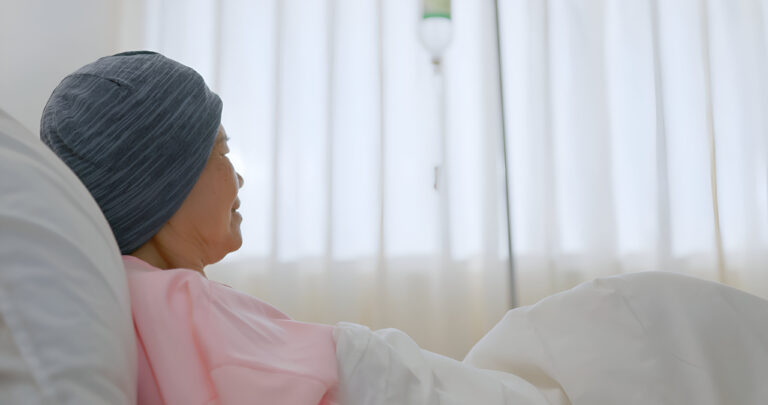
The Cancer Journey 

Stories from survivors, caregivers, and families.

Cancer treatment is not one-size-fits-all. It depends on the type of cancer, its stage, and the individual’s overall health and preferences. This guide provides a broad overview of the main treatment approaches, helping patients and caregivers understand what to expect and how decisions are made.

Key Areas Covered

  • Surgery – Removing cancerous tissue when possible.

  • Radiation Therapy – Using targeted energy to destroy cancer cells.

  • Chemotherapy – Medicines that attack rapidly dividing cells throughout the body.

  • Immunotherapy – Boosting the body’s own immune system to fight cancer.

  • Targeted Therapy – Drugs designed to block specific molecules involved in cancer growth.

  • Hormone Therapy – Controlling cancers that depend on hormones, such as breast or prostate cancer.

  • Palliative Care – Managing symptoms and improving quality of life alongside treatment.

First appointment checklist, what to bring, who is involved in care.

Cancer treatment is not one-size-fits-all. It depends on the type of cancer, its stage, and the individual’s overall health and preferences. This guide provides a broad overview of the main treatment approaches, helping patients and caregivers understand what to expect and how decisions are made.

Key Areas Covered

  • Surgery – Removing cancerous tissue when possible.

  • Radiation Therapy – Using targeted energy to destroy cancer cells.

  • Chemotherapy – Medicines that attack rapidly dividing cells throughout the body.

  • Immunotherapy – Boosting the body’s own immune system to fight cancer.

  • Targeted Therapy – Drugs designed to block specific molecules involved in cancer growth.

  • Hormone Therapy – Controlling cancers that depend on hormones, such as breast or prostate cancer.

  • Palliative Care – Managing symptoms and improving quality of life alongside treatment.

Eating well during treatment, exercise safety.

Before radiotherapy, After simulation, etc.

“3 mins: My life after cancer.”

Invite new patients to share (optional).

Cards from other patients, public encouragement notes.

Diagnosis → Treatment → Recovery

Cancer Support 

This part focuses on practical + emotional support, not medical explanation. It helps patients navigate counselling, financial aid, support groups, rehabilitation, transport help, spiritual care, etc.

Oncology psychologists, mental health hotline, social workers.

Breast cancer circle, caregiver meet-ups, online WhatsApp community.

Insurance guidance, government support, donation funds.

Imam / priest / chaplain service, meditation room.

Lymphedema therapy, physiotherapy post-surgery.

Dietitian referrals, safe exercise programs.

Shuttle service, out-of-town patient guesthouse.

BCAC, CANHOPE, government cancer registry, etc.

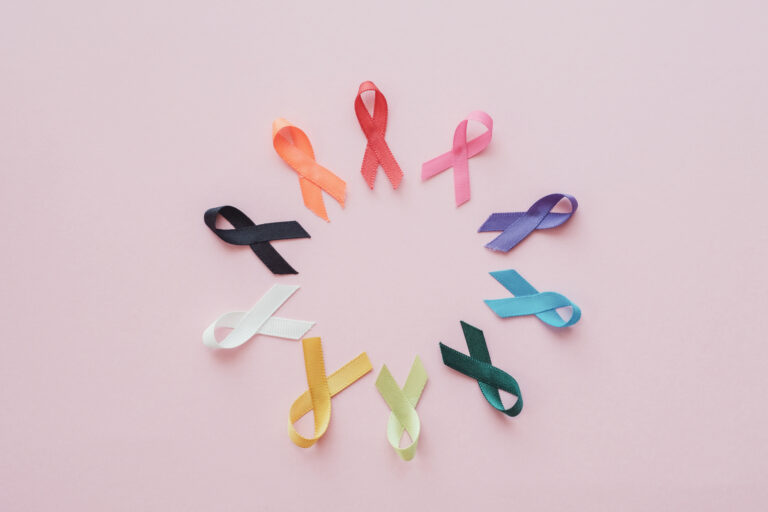
Cancer types 

Learn about different types of cancer, their symptoms, risk factors, and available treatment options.

Bile Duct Cancer

Bladder Cancer

Blood Cancer
Brain Cancer
Breast Cancer

Cervical Cancer

Colorectal Cancer

Gall bladder Cancer

Cancer Statistics 

Access up-to-date statistics on cancer trends, survival rates, and disease impact to better understand the burden of cancer.

Feedback Form

How JPMC Can Help You

We welcome patient feedback, to tell us what we are doing right now and what we can improve. We would like you to think about your recent experience with our service. How likely are you to recommend our practice to friends and family if they needed similar care or treatment?