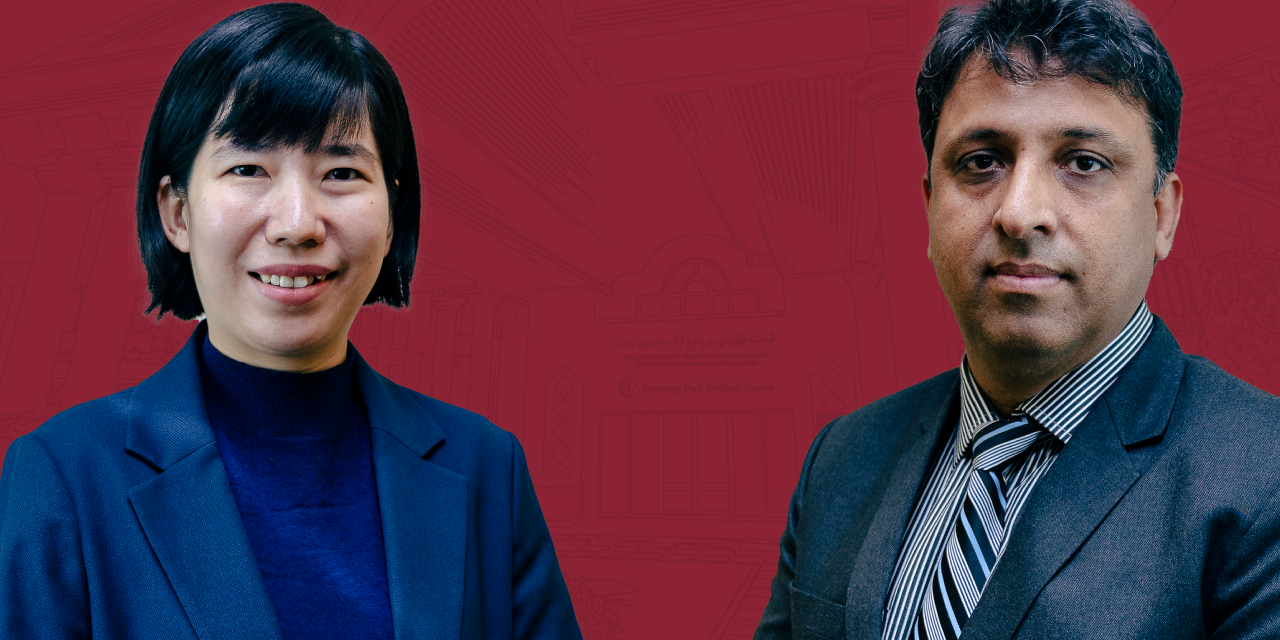
World Cancer Day is more than just a date on the calendar. It is a moment to pause, to reflect, and to remember that behind every statistic is a human story, people with families, emotions, and hopes for the future. For Dr San San Htay and Dr Jawed Ahmed, Senior Medical Officers at The Brunei Cancer Centre of Jerudong Park Medical Centre, it is also a time to renew a commitment to care for the person, not just the diagnosis.
“World Cancer Day is both a celebration and a reminder,” says Dr San San Htay. “We celebrate progress in cancer care, but we also honour patients, families, and healthcare teams who face this journey together.”
Celebrating Progress, Recognising Challenges
There is much to celebrate in cancer care today. In recent years, treatments have evolved dramatically. Precision medicine, immunotherapy, and AI assisted imaging are reshaping how cancers are detected and treated, offering patients earlier diagnosis, more targeted therapies, and renewed hope. Outcomes are improving, and treatments are increasingly personalised to meet the needs of each individual.
But progress also highlights challenges that remain. While technology continues to advance, not everyone benefits equally. Dr Jawed Ahmed points out that some patients still face barriers, from financial pressures to delays in accessing diagnostics, reminding us that awareness and early action are crucial, particularly within our communities.
Caring for the Whole Person
Cancer is not just a medical condition. It touches every part of a person’s life, emotions, family responsibilities, work, relationships, and daily routines. Both doctors emphasise that effective care must look beyond test results and treatment plans and support the person as a whole.
“Treating cancer is not just about managing the disease,” Dr San San Htay explains, “it is about caring for the whole person, including their emotional, social, and psychological needs.”
This approach aligns perfectly with this year’s World Cancer Day theme, United by Unique. No two cancer journeys are the same. Each experience is shaped by biology, personal background, family support, culture, and values. Modern cancer care increasingly reflects this reality, with treatments tailored to everyone.
“No two cancer journeys are identical,” Dr San San Htay adds. “Personalised care allows us to respect each patient’s unique circumstances while offering the best treatment possible.”

Understanding Cancer in Brunei
Cancer remains a major health concern in Brunei. According to the Global Cancer Observatory of the World Health Organization, nearly 930 new cancer cases and around 460 cancer related deaths were recorded in 2022. More than 2,800 people are living with cancer and require ongoing care. These numbers are more than statistics, they represent families and communities deeply affected by the disease.
“These numbers represent real people in our community,” Dr Jawed Ahmed says, “they remind us that cancer is not distant. It affects families all around us.”
The most diagnosed cancers in Brunei are colorectal, breast, lung, prostate, and cervical cancers, with patterns differing between men and women. Colorectal and lung cancers are more common in men, while breast and cervical cancers are more frequent in women. One major concern is that many cancers are still diagnosed at an advanced stage, when treatment becomes more complex, and outcomes are less favourable.
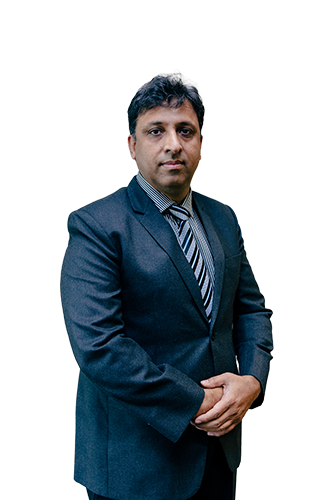
“When cancers are detected late, treatment becomes more complicated and the outlook is less positive,” Dr Jawed Ahmed notes, “early detection can make a significant difference.”
The Importance of Early Detection
Detecting cancer early is one of the most effective ways to improve survival and quality of life.
Patients diagnosed at an early stage often require less aggressive treatment and can continue daily routines more easily. Since 2019, Brunei has introduced national screening programmes for colorectal, breast, and cervical cancers through the Ministry of Health.
Digital platforms like the BruHealth app and public awareness campaigns make it easier for people to participate in regular screening, even before symptoms appear.
“Screening saves lives,” says Dr San San Htay, “finding cancer early often means simpler treatment and better outcomes.”
Cancer Care as a Team Effort
Modern cancer care works best as a team. Patients are supported by multidisciplinary teams that include doctors, nurses, radiologists, surgeons, dietitians, psychologists, social workers, and rehabilitation specialists. This collaborative approach ensures care that addresses both medical and non-medical needs.
Understanding a patient’s cultural beliefs, family support, and personal circumstances is key to building trust and improving adherence to treatment. When patients feel supported and understood, they are more likely to engage fully with their care.
Dispelling Myths and Emphasizing Prevention
Despite increased awareness, misconceptions about cancer persist. Some people still see a diagnosis as a death sentence, or believe alternative therapies are more effective than modern medicine. Both doctors stress that these beliefs are outdated.
“Cancer is no longer the end,” Dr San San Htay says, “with early detection and evidence-based treatment, many people can live long and meaningful lives after diagnosis.”
Lifestyle choices remain crucial for prevention. Avoiding tobacco, limiting alcohol, staying physically active, eating a balanced diet, and taking care of mental wellbeing all help reduce cancer risk. Regular screening is equally important, especially for cancers that can be detected early.
A Message of Hope and Unity
As World Cancer Day is observed, the message from Dr San San Htay and Dr Jawed Ahmed is clear: hope, unity, and shared responsibility. “Every cancer journey is unique,” Dr Jawed Ahmed says, “but when patients, families, healthcare professionals, and communities stand together, we are stronger. That is the true meaning of United by Unique.”