
The Brunei Cancer Centre
Radiotherapy
Overview
Radiotherapy
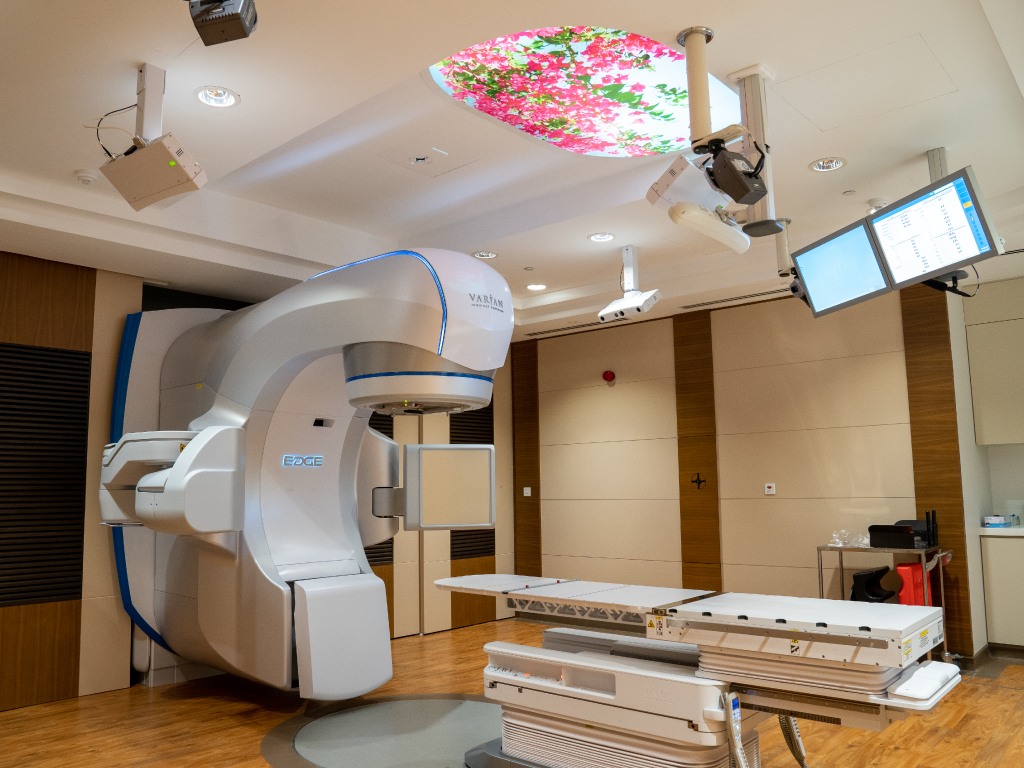
Precision cancer treatment delivered with cutting-edge technology and expert multidisciplinary care. Our radiation therapy department brings hope and healing to patients across the region.
The Radiation Therapy Department is a specialised centre dedicated to delivering high-quality cancer treatment using the latest and most advanced equipment. We are committed to providing precise and effective care tailored to each patient.
Our team comprises highly skilled and experienced professionals who collaborate closely with surgeons and medical oncologists through multidisciplinary tumour board discussions. This team-based approach ensures that each patient receives a carefully planned and individualised treatment strategy for the best possible outcomes.
What is Radiotherapy?
Radiotherapy, also known as radiation therapy, is a cancer treatment that uses high-energy radiation to destroy cancer cells or prevent them from growing and dividing. It is a local treatment that targets a specific area whilst minimising damage to surrounding healthy tissues.
In modern radiotherapy practice, treatment is typically delivered daily over a period of days or weeks. Most patients receiving treatment spend approximately one hour per visit and are able to resume their usual daily activities afterward.
TBCC accepts referrals to this service from both General Practitioners and Specialists.
Services and Treatments
3D Conformal Radiation Therapy
Precise targeting of tumour using three-dimensional imaging.
Image Guided Radiation Therapy (IGRT)
Real-time imaging to ensure accurate treatment delivery.
Intensity Modulated Radiation Therapy (IMRT)
Modulated radiation beams for optimised dose distribution.
Volumetric Modulated Arc Therapy (VMAT)
Rapid arc-based treatment delivery with improved efficiency.
Stereotactic Radiosurgery (SRS)
Highly focused, high-dose treatment for small targets with precision.
Stereotactic Body Radiation Therapy (SBRT)
Precise external radiation for small tumours in the body.
Dynamic Conformal Arc Therapy (DCAT)
Dynamic arc therapy optimised for individual patient anatomy.
High Dose Rate (HDR) Brachytherapy
Internal radiation therapy with temporary radioactive source placement.
Why is Radiotherapy Used?
Technology and Equipment
Advanced Equipment
- Varian Edge Linear Accelerator
- Our primary treatment machine delivering advanced external beam radiotherapy with precision positioning and real-time imaging.
- CT Simulation Scanner
- High-resolution imaging for precise treatment planning and anatomical localisation.
- Treatment Planning System
- Sophisticated software for optimised dose calculations and plan design.
Supportive Technologies
- Adaptive Radiation Therapy
- Treatment plans adjusted based on anatomical changes during therapy course.
- Gated Radiation Therapy
- Real-Time Position Management (RPM) system for motion tracking.
- Deep Inspiration Breath Hold (DIBH)
- Technique minimising radiation dose to normal tissues through breathing coordination.
- Optical Surface Monitoring System (OSMS)
- Non-contact patient positioning using optical imaging.
Your Treatment Journey
Enquiry
Meet with our radiation oncologist to review your diagnosis, medical history and treatment options tailored to your specific case.
Simulation and Planning
Undergo CT imaging and treatment planning. Simulation planning may include CT, MRI or PET imaging, skin markings, positioning devices and personalised treatment planning.
Treatment Planning Review
Your multidisciplinary team reviews and optimises your treatment plan to ensure maximum effectiveness whilst minimising impact on healthy tissue.
Treatment Sessions
Treatments are commonly given Monday to Friday over several weeks. Sessions are painless and closely monitored by radiation therapists. Most visits take approximately one hour, allowing you to resume daily activities.
Follow-up Care
After treatment ends, regular check-ups monitor your recovery, manage side effects and assess treatment effectiveness through clinical visits and imaging studies.
Success Rates and Outcomes
Treatment outcomes depend on the type, size and location of the tumour, as well as the overall health of the patient. Our multidisciplinary approach, combining advanced technology with expert clinical judgment, ensures optimal results for each individual case.
Cure Rates
Early-stage tumours treated with radiotherapy alone show excellent cure rates, particularly when combined with surgery or chemotherapy when appropriate.
Palliation
For advanced cancers, radiotherapy effectively relieves symptoms, improves quality of life and extends survival when integrated into comprehensive treatment plans.
Functional Preservation
Modern radiotherapy techniques spare normal tissues, preserving organ function and quality of life whilst effectively treating cancer.
Precision & Accuracy
Advanced imaging and planning systems ensure highly accurate dose delivery, maximising tumour control whilst minimising toxicity.
Key Achievements and Highlights
Multidisciplinary Collaboration
Our tumour boards bring together radiation oncologists, surgeons, medical oncologists and supportive care specialists to provide integrated, patient-centred treatment planning.
State-of-the-Art Technology
Equipped with the Varian Edge system and advanced treatment planning software, our department delivers some of the most sophisticated radiotherapy techniques available.
Expert Staffing
Our team comprises highly trained and experienced radiation oncologists, medical physicists, radiation therapists and support staff committed to excellence.
Regional Service
Serving patients from across the region, we are recognised as a centre of excellence for cancer radiotherapy in Brunei and Southeast Asia.
Quality Assurance
Rigorous quality assurance protocols, regular audits and continuous training ensure consistently high standards of care and patient safety.
Patient Care Excellence
Compassionate support throughout the treatment journey, with dedicated staff ensuring patient comfort, education and emotional wellbeing.
Frequently Asked Questions
Is radiation therapy painful?
No. Radiation treatment itself is painless. You will not feel anything during the treatment session. The therapy works at a cellular level to destroy cancer cells, without discomfort during delivery.
Will I lose my hair?
Hair loss occurs only in the treated area. Whether you experience hair loss depends on the location and dose of radiation. Hair typically regrows after treatment ends, though this can take several months. Our team will discuss what to expect based on your specific treatment plan.
Will I be radioactive after treatment?
Patients receiving external beam radiation therapy are not radioactive after treatment. You can be around family and friends without any risk of exposing them to radiation. This is a common concern, and we are happy to discuss it further.
Can I continue working during treatment?
Many patients continue working during treatment, depending on their energy levels and symptoms. Most sessions take about an hour, and you will be able to resume your usual daily activities afterward. We recommend discussing your work schedule with your medical team to find what works best for you.
Can I drive after treatment?
Most patients can drive unless advised otherwise by their medical team. Since radiation therapy itself does not cause drowsiness or impaired coordination, most people find they can safely drive to and from their appointments.
What happens after my treatment finishes?
Follow-up appointments are an essential part of your cancer care. Initially you will see your medical team every few months. Blood tests or scans will be performed to monitor your recovery and ensure the cancer has not returned. As time passes and everything looks good, these visits will happen once or twice a year. Recovery takes time, and our team will support you through every stage.
How long does recovery take?
Your body does not bounce back immediately after treatment ends. Tiredness may persist for several months after treatment, and it takes time for your organs and skin to recover fully. Some side effects, like numbness or cognitive changes, may take longer to resolve. We recommend being patient with yourself and gradually returning to full activity as tolerated.
How should I care for my skin during treatment?
Gentle skin care is important during radiotherapy. Wash gently and pat skin dry, avoid rubbing the treated area, wear loose clothing, protect your skin from sunlight and use only recommended creams. Our nurses will provide detailed skin care instructions and recommend appropriate products.
The Brunei Cancer Centre
Speak to Us Today
Whether you are seeking a second opinion, scheduling a screening or making a referral, our team is ready to help you take the next step.
-
Address
The Brunei Cancer Centre, Pantai Jerudong Specialist Centre Building, Jerudong Park Medical Centre, Jerudong Park BG 3122, Brunei Muara, Brunei Darussalam -
Phone
+673 261 3333 -
Working Hours
Monday - Thursday: 8.00am - 5.00pm
Friday: 8.00am - 5.00pm
Closed for Friday Prayer: 12.00noon - 2.00pm