
The Brunei Cancer Centre
Patient Education
Cancer Care Guidance
Cancer care, support and guidance
Cancer care is more than medical treatment. It is a journey that blends knowledge, compassion and support. From understanding different cancer types to navigating therapies and coping with emotional challenges, guidance helps patients and families make informed decisions at every stage.
Helping you understand your care, side effects and next steps
Cancer treatment is not one size fits all. It depends on the type of cancer, its stage, and the individual’s overall health and preferences. The guidance below gives you a broad overview of the main treatment approaches, so you and your family understand what to expect and how decisions are made.
Early Detection, Prevention and Screening
Some cancers cannot be prevented, but many can be detected earlier when treatment is more effective. For those at higher risk, knowing your status changes everything.
Why Early Detection Matters
Many cancers develop without any noticebale signs or symptoms in the early stages. Early detection through appropriate screening can find cancer sooner when treatment is often simpler and more effective.
Early detection is one of the most powerful ways to reduce the impact of cancer and improve long-term health.
Early Detection Can Make a Big Difference
Better treatment outcomes
Finding cancer early increases the chance of successful treatment and a better chance for survival.
Less invasive treatment
Early-stage cancer may require less extensive surgery and may avoid treatments such as chemotherapy or radiotherapy.
Prevent cancer before it starts
Some screenings tests can detect and remove pre-cancerous changes before they develop into cancer. Prevention is always better than treatment.
Lower impact on healthcare costs
Treating cancer early can reduce the need for extensive treatment and associated costs.
Greater peace of mind
A normal screening result provides reassurance, while an abnormal result allows timely investigation and prompt care.
Did You Know?
- Many common cancers such as breast, cervical and colorectal cancer may not cause symptoms their early stages.
- Don’t wait until you feel unwell.
Who Should Consider Screening?
Screening is recommended for people based on their age, gender, and risk factors.
Reducing Your Cancer Risk
Small Changes Today for a Healthier Tomorrow
While not all cancers can be prevented, healthy lifestyle choices can significantly reduce your risk. Combining healthy habits with regular screening and vaccination, where appropriate, can help protect your long-term health.
Every positive choice you make can help protect your future!
Healthy Choices That Can Help Reduce Your Cancer Risk
Don't use tobacco
Tobacco is the leading cause of preventable cancer. Quitting at any age can lower your risk.
Eat a healthy, balanced diet
Choose more fruits, vegetables, whole grains and whole foods. Limit red meats and highly processed foods.
Stay physically active
Aim for at least 150 minutes moderate activity each week. Increase daily activities - every move counts.
Maintain a healthy weight
Being overweight and obese increases the risk of several types of cancer.
Limit alcohol intake
Alcohol can increase the risk of several cancers.
Get vaccinated
Vaccines can protect against cancers caused by infections, such as HPV and Hepatitis B.
Protect yourself from the sun
Limit sun exposure. Use sunscreen and wear protective clothing.
Attend recommended screening
Regular screening can detect cancers early when treatment is most effective.
Know your health and family history
Some cancers can run in families. Knowing your family history helps you and your doctor assess your risk.
Prevention + Early Detection = Better Outcome
- Healthy lifestyle choices can lower your risk. Regular screening helps detect cancer early, when it is most treatable.
- Together, these steps give you the best protection.
More Ways to Protect Your Health
Manage stress
Chronic stress affects your health. Take time to relax, connect and care for your mental wellbeing.
Get enough sleep
Aim for 7- 9 hours of quality sleep. Good quality sleep helps your body recover and stay strong.
Avoid exposure to harmful substances
Limit exposure to carcinogens such as asbestos, pollutants and second-hand smoke.
Raise Awareness
Talk openly about cancer risks and prevention strategies. Empower those around you to take charge of their health.
Cancer Screening Services
Regular screening can detect certain cancers early before symptoms appear – when treatment is more effective and outcomes are better.
Screening recommendations may vary based on your personal and family medical history. If you are experiencing any abnormal symptoms, please visit your nearest health center immediately.
Brunei Darussalam National Health Screening Programme for Cancer
Cervical Cancer Screening
• Human Papillomavirus (HPV) self-sampling every 5 years
• Age 25-65
Breast Cancer Screening
• Mammogram every 3 years
• Age 40-69
Colorectal Cancer Screening
• Fecal Immunochemical Test (FIT) every 2 years and/or colonoscopy if necessary
• Age 50-75
Where Screening is Available
Nearest Primary Health Centre (PHC)
Many screening services are available at your nearest PHC.
BruHealth App
Book or manage your screening appointments easily through the BruHealth app.
Early Detection & Cancer Prevention Services (EDCPS)
Selected screening services and risk assessments are available at the Early Detection & Cancer Prevention Services Clinic
Resources and Leaflets
We provide a range of educational leaflets and resources to help you learn more about cancer prevention, early detection and healthy living.
Simply click on the buttons below to view or download the materials you need.
What You'll Find in Our Resources
- Understanding cancers and your risk
- Early signs and warning symptoms
- Self-check technique and recommendations including breast self-examination
- Prevention and healthy living tips
- Screening tests and what to expect
- Please help us to share to your friends and families
Collaborative Partners
Specialized Clinical Referrals
We collaborate with specialized medical and surgical departments in RIPAS—including Breast and Gynaecology Clinics, Gastroenterology, Urology, and Imaging—to ensure comprehensive follow-up care. Clients with high-risk profiles, abnormal screening findings, or positive genetic test results are referred directly to these multidisciplinary teams for targeted management.
Cancer Support
Psychosocial & Counselling Services
Cancer affects more than physical health—it can also impact emotional well-being, relationships, work, and daily life. At JPMC, psychosocial and counselling support is available to help patients and their families cope with the emotional challenges that may arise throughout the cancer journey. Our team provides a safe and supportive environment where concerns such as anxiety, stress, adjustment to diagnosis, treatment-related worries, and survivorship can be discussed. Support is tailored to individual needs, with the aim of promoting emotional resilience and overall quality of life.
Support Groups
Connecting with others who have shared similar experiences can provide comfort, encouragement, and practical guidance throughout the cancer journey. JPMC supports patients and caregivers by connecting them with local cancer support networks in Brunei, including YASKA (Persatuan Kanser Brunei) and the Brunei Breast Cancer Support Group (BBCSG). YASKA is a non-governmental organisation dedicated to supporting individuals affected by cancer through patient advocacy, awareness programmes, community outreach, and support activities. The Brunei Breast Cancer Support Group provides a caring community for individuals affected by breast cancer, offering peer support, educational activities, and opportunities to share experiences with fellow survivors and caregivers. Through these local support networks, patients and their families can find reassurance, friendship, and ongoing encouragement beyond their medical treatment.
Physical Rehabilitation Support
Recovering cancer treatment is more than completing therapy—it is about regaining strength, independence, and confidence. At JPMC, patients have access to comprehensive rehabilitation services through the Brunei Neuroscience Stroke and Rehabilitation Centre (BNSRC), a specialist centre dedicated to restoring physical function and improving quality of life. Depending on individual needs, rehabilitation may include physiotherapy, occupational therapy, speech and language therapy, prosthetic and orthotic services, and rehabilitation medicine. Our multidisciplinary team works closely with patients to manage treatment-related fatigue, improve mobility and balance, rebuild strength, and support a safe return to everyday activities. As the only centre in Brunei offering robotic rehabilitation technology, BNSRC provides advanced rehabilitation services to help patients achieve the best possible recovery and long-term well-being.
Nutrition & Wellness Coaching
Good nutrition plays an important role in supporting patients throughout their cancer journey. At The Brunei Cancer Centre, our dedicated team of dietitians works closely with patients before, during, and after treatment to provide personalised nutritional care based on their individual needs. Whether managing treatment-related side effects, maintaining a healthy weight, improving nutritional intake, or supporting recovery, our dietitians offer practical advice and tailored meal planning to help patients stay as strong and healthy as possible. Together with healthy lifestyle guidance and wellness support, we are committed to helping patients optimise their well-being and quality of life throughout every stage of cancer care.
Financial & Welfare Assistance
A cancer diagnosis can bring financial and practical challenges for patients and their families. At The Brunei Cancer Centre, our dedicated Medical Social Work team is available to provide support, guidance, and assistance throughout the treatment journey. The team works closely with patients to assess individual needs, offer advice on available welfare and community resources, and facilitate referrals to appropriate support services where needed. Through the generosity of donations and charitable contributions received from time to time, financial assistance may also be available to support eligible patients facing financial hardship during their cancer treatment. Our goal is to help ease these burdens so that patients and their families can focus on what matters most—their treatment and recovery.
Spiritual & Emotional Support
At The Brunei Cancer Centre, we recognise that spiritual well-being can be an important source of comfort, hope, and strength during the cancer journey. For patients who wish to receive Islamic spiritual support, arrangements can be made for visits from Ustaz or Ustazah to provide spiritual guidance, recitation of prayers, religious counselling, and emotional encouragement in accordance with Islamic values. Together with the compassionate support of our healthcare team, we strive to care for not only the physical needs of our patients but also their emotional and spiritual well-being, helping them and their families navigate treatment with dignity, peace, and hope.
Treatment Guide Overview
We know that starting cancer treatment can feel overwhelming. This guide is designed to help you understand the basics of how we work together to care for you.
Your Care Team
You aren’t going through this alone. You will have a group of specialists working together, which may include:
- Doctors: Specialists who plan your overall treatment and prescribe medications.
- Nurses: Your primary point of contact for daily care and managing side effects.
- Radiation Therapists: Professionals who operate the machines used for radiation treatment.
- Support Staff: Pharmacists, dieticians, physiotherapist, occupational therapist and clinical psychologists to help with your physical and emotional well-being.
The Typical Journey
While every path is unique, most treatments follow these steps:
- Consultation: You meet your doctors to discuss your diagnosis and the best treatment options.
- Planning: We take scans or tests to map out exactly where and how to deliver treatment.
- Treatment Sessions: Depending on your plan, you may come in daily, weekly, or every few weeks.
- Monitoring: We will perform regular check-ups and tests to see how the treatment is working and how you are feeling.
- Follow-up Care: Once treatment ends, we continue to see you for surveillance to ensure you stay healthy.
Common Types of Treatment
Every patient’s plan is different. You may receive one or a combination of the following:
- Hormonal Therapy: Using medicines to block or lower hormones that some cancers need to grow (commonly used for cancers such as breast or prostate cancer).
- Chemotherapy: Using medicines to kill cancer cells throughout the body (usually given through a vein or as a pill).
- Radiation Therapy: Using high-energy beams (like X-rays) to target and destroy cancer cells in a specific area.
- Nuclear Medicine Therapy: Using radiopharmaceuticals that circulate throughout the body and deliver radiation directly to cancer cells while limiting exposure to healthy tissues.
- Targeted & Immunotherapy: Newer treatments that either target specific parts of cancer cells or help your own immune system find and fight the cancer.
- Palliative Care: Specialised care focused on relieving symptoms, managing pain, and improving quality of life.
Important Reminders
- Ask Questions: No question is too small. We want you to understand your care.
- Bring a Support Person: It can be helpful to have a family member or friend with you to take notes during appointments.
- Take it One Day at a Time: Focus on the step right in front of you.
We are here to support you every step of the way. If you feel unsure about anything, please reach out to your nursing team or doctor.
Treatment Guide
Understanding your treatment options and what to expect.
Biological Therapy
Biological therapies are modern cancer treatments that work differently from traditional chemotherapy. Instead of attacking all rapidly dividing cells, these treatments target specific features of cancer cells or help the body’s immune system recognise and destroy cancer. Not every cancer is suitable for biological therapy. Your doctor will determine whether these treatments are appropriate based on your type of cancer, tumour characteristics, and specialised laboratory tests.
Common Biological Therapies
Biological therapies include several types of medicines that work in different ways to treat cancer.
Monoclonal Antibodies
- Block cancer growth signals
- Deliver treatment directly to cancer cells
- Help the immune system recognise cancer
- Prevent cancer cells from spreading
Anti-Angiogenic Therapy
Cancer needs a blood supply to grow. Anti-angiogenic medicines work by preventing the formation of new blood vessels that feed tumours, helping to slow or stop tumour growth.
Cellular Therapies
For selected blood cancers, specialised treatments such as CAR T-cell therapy use a patient’s own immune cells, which are modified in a laboratory to better recognise and destroy cancer cells. These advanced therapies are only suitable for certain patients and are available at specialised treatment centres.
Targeted Therapy
Targeted therapy uses medicines that specifically target molecules or genetic changes that help cancer cells grow and survive. Unlike chemotherapy, targeted therapies are designed to affect cancer cells more precisely, which may reduce damage to normal healthy cells. Before starting treatment, your tumour may be tested for specific genetic mutations or biomarkers to determine whether targeted therapy is likely to be effective.
How is Targeted Therapy Given?
- Tablets or capsules taken at home
- Intravenous (IV) infusion
- Injection
Some treatments are taken every day, while others follow a treatment schedule recommended by your doctor.
Possible Side Effects
- Skin rash
- Dry skin
- Diarrhoea
- High blood pressure
- Fatigue
- Mouth sores
- Nail changes
- Swelling of the hands or feet
- Liver function changes
- Increased sensitivity to sunlight
The Brunei Cancer Centre will monitor you regularly with blood tests and other assessments during treatment.
Taking Oral Targeted Therapy Safely
- Take your medication exactly as directed.
- Do not stop treatment unless advised by your doctor.
- If you miss a dose, follow the instructions provided by your healthcare team.
- Store medicines safely and away from children.
- Inform your doctor about all other medications, vitamins, and herbal supplements, as some can interfere with treatment.
Immunotherapy
Immunotherapy is a treatment that helps your body’s immune system recognise, attack, and destroy cancer cells. Normally, cancer cells can hide from the immune system. Immunotherapy helps remove these brakes on the immune system, allowing it to better identify and fight cancer.
How is Immunotherapy Given?
- Intravenous (IV) infusion into a vein
- Injection under the skin (for selected medicines)
- Tablets or capsules (less commonly)
Treatment is usually given every 2 to 6 weeks, depending on the medication and treatment plan.
Possible Side Effects
- Fatigue
- Skin rash or itching
- Diarrhoea
- Joint or muscle aches
- Cough or shortness of breath
- Thyroid problems
- Liver inflammation
- Hormone changes
- Inflammation of the lungs, bowel, kidneys, liver, or other organs
Most side effects can be treated successfully when recognised early.
When Should You Contact TBCC Helpline?
- Fever
- Persistent diarrhoea
- Severe abdominal pain
- Shortness of breath
- Persistent cough
- Chest pain
- Severe skin rash
- Yellowing of the skin or eyes
- Severe headaches or vision changes
- Extreme fatigue or confusion
Do not ignore new symptoms, even if they seem mild. Some side effects can occur weeks or even months after treatment.
Frequently Asked Questions
Will I lose my hair?
Most immunotherapy and many targeted therapies do not cause complete hair loss, although some targeted therapies may cause hair thinning or changes in hair texture.
Are these treatments safer than chemotherapy?
These treatments often have different side effects rather than fewer side effects. Some immune-related or targeted therapy side effects can be serious if not recognised and treated early.
How long will treatment last?
Treatment duration varies depending on your cancer type, response to therapy, and any side effects. Your doctor will discuss your individual treatment plan with you.
Can biological therapies be combined with other treatments?
Yes. Biological therapies may be used alongside chemotherapy, surgery, radiation therapy, hormone therapy, or other cancer treatments as part of a personalised treatment plan.
Chemotherapy
Chemotherapy is a type of cancer treatment that uses medicines to destroy cancer cells or stop them from growing and dividing. Because chemotherapy travels through the bloodstream, it can treat cancer cells throughout the body. It may be used alone or in combination with surgery, radiation therapy, targeted therapy, immunotherapy, or hormone therapy.
Why is Chemotherapy Used?
- Cure cancer by eliminating cancer cells.
- Shrink a tumour before surgery or radiation therapy (neoadjuvant therapy).
- Destroy any remaining cancer cells after surgery or radiation therapy (adjuvant therapy).
- Control cancer by slowing its growth or spread.
- Relieve symptoms caused by advanced cancer.
How is Chemotherapy Given?
Intravenous (IV) Infusion, Oral Chemotherapy, Injection, and other methods.
What to Expect During Treatment
- Before each treatment: blood tests, assessment of weight and vital signs, and symptom review.
- During treatment: sessions may last from 30 minutes to several hours and are usually given in cycles.
Possible Side Effects
- Fatigue
- Nausea
- Vomiting
- Loss of appetite
- Hair loss
- Mouth sores
- Changes in taste
- Diarrhoea or constipation
- Increased risk of infection
- Easy bruising or bleeding
- Peripheral neuropathy
Managing Side Effects
Stay hydrated, eat nutritious meals, rest, take medicines as directed, practice hand hygiene, and report symptoms promptly.
When Should You Contact TBCC Helpline?
- Fever of 38°C or higher
- Signs of infection
- Breathing difficulty
- Persistent vomiting
- Severe diarrhoea
- Uncontrolled bleeding
- Severe pain
- Confusion
- IV site problems
Looking After Yourself During Chemotherapy
- Eat a balanced diet
- Drink fluids
- Exercise gently
- Get enough sleep
- Avoid smoking
- Keep appointments
- Discuss supplements with your healthcare team
Frequently Asked Questions
Will I lose my hair?
Not all chemotherapy drugs cause hair loss.
Can I continue working?
Many people continue working depending on treatment and side effects.
Is chemotherapy painful?
The medication itself is generally not painful, though IV insertion may cause discomfort.
Can I exercise?
Light to moderate exercise is often encouraged.
Can I travel during chemotherapy?
Travel may be possible between cycles after discussion with your doctor.
Radiation Therapy
Radiation therapy, also known as radiotherapy, is a cancer treatment that uses high-energy radiation to destroy cancer cells or prevent them from growing and dividing. It is a local treatment that targets a specific area while minimising damage to surrounding healthy tissues.
Why is Radiation Therapy Used?
- Cure cancer by destroying cancer cells.
- Shrink a tumour before surgery.
- Eliminate remaining cancer cells after surgery.
- Relieve symptoms caused by advanced cancer.
- Reduce the risk of cancer returning.
How Does Radiation Therapy Work?
Radiation damages the DNA inside cancer cells, preventing them from growing and dividing.
Types of Radiation Therapy
- External Beam Radiation Therapy (EBRT)
- Internal Radiation Therapy (Brachytherapy)
Before Treatment
Simulation planning may include CT, MRI or PET imaging, skin markings, positioning devices, and personalised treatment planning.
What to Expect During Treatment
Treatments are commonly given Monday to Friday over several weeks. Sessions are painless and closely monitored by radiation therapists.
Possible Side Effects
- Fatigue
- Skin irritation
- Hair loss in the treated area
- Swelling
- Appetite changes
- Temporary discomfort
Additional Side Effects by Treatment Area
- Head and Neck: sore mouth, difficulty swallowing, dry mouth, taste changes, hoarse voice.
- Chest: difficulty swallowing, cough, mild shortness of breath.
- Abdomen or Pelvis: nausea, diarrhoea, blood in stool, bladder irritation, increased urination.
Skin Care During Radiation Therapy
Wash gently, pat skin dry, avoid rubbing, wear loose clothing, protect from sunlight, and use only recommended creams.
When Should You Contact TBCC Helpline?
- Fever
- Signs of infection
- Severe skin reactions
- Difficulty swallowing
- Persistent vomiting
- Severe diarrhoea
- Breathing difficulties
- Uncontrolled pain
- Bleeding
- Any concerning new symptoms
Looking After Yourself During Radiation Therapy
- Eat a balanced diet
- Drink fluids
- Stay active
- Follow skin care instructions
- Attend appointments
- Report new symptoms
Frequently Asked Questions
Will I lose my hair?
Hair loss occurs only in the treated area.
Is radiation therapy painful?
No. Radiation treatment itself is painless.
Will I be radioactive?
Patients receiving external beam radiation therapy are not radioactive after treatment.
Can I continue working?
Many people continue working during treatment depending on symptoms.
Can I drive after treatment?
Most patients can drive unless advised otherwise.
What happens after my treatment finishes?
Follow-up appointments monitor recovery, side effects, and treatment effectiveness.
What to Expect During Treatment
The Routine
Most of your visits will follow a specific pattern to ensure the treatment is safe for your body:
- Check-in & Vitals: Each visit begins with a weight check and a blood pressure reading.
- Lab Work: You will have your blood drawn frequently. Doctors use these results to check your organ function and blood cell counts before clearing you for treatment that day.
- The Wait: There is often downtime between having blood drawn and receiving medication. It is a good idea to bring a tablet, book, or hobby.
- Consultations: You will meet with your oncologist regularly to review how you are feeling and adjust your plan if necessary.
Side Effects
Treatment affects everyone differently, but these are the most common experiences:
- Fatigue: A heavy, persistent tiredness that does not always go away with sleep. It is the most common side effect.
- Digestive Changes: This can include nausea, loss of appetite, or changes in how food tastes. Most of these can be managed with medications.
- Brain Fog: You may feel a bit slower or more forgetful than usual. This is a common side effect of many medications.
- Blood Count Changes: Some treatments lower your white blood cell count, which can make you more prone to infection.
Please tell your team how you are feeling. We have many ways to help manage side effects like fatigue, nausea, or pain so that you can stay as comfortable as possible.
Practical Advice
- Keep a Notebook: You will receive a lot of information. Write down your questions before your appointment and jot down the answers during it.
- Report Everything: If you have a new pain or a new symptom, tell your nurse. Even small details can help them manage your comfort.
- Hydrate: Many treatments are hard on the kidneys. Drinking plenty of water helps your body process the medications more efficiently.
- Bring a Support Person: If possible, have someone come with you to appointments to take notes or just provide company during long infusion sessions.
What to Expect After Treatment
Once active treatment ends, you move into a phase called follow-up care. Here is a summary of what comes next.
You Will Still Have Appointments
Even though treatment is over, you will still see your medical team.
- Regular Checks: At first, you might visit every few months. If everything looks good, these visits will happen once or twice a year.
- Tests: You will still have blood tests or scans. These are safety checks to make sure the cancer has not returned.
Recovery Takes Time
Your body does not bounce back the day treatment stops.
- Tiredness: You may feel very tired for several months. This is normal. Your energy will return slowly.
- Healing: It takes time for your organs and skin to recover from the effects of medicine or radiation.
- Side Effects: Some issues, like numb fingers or foggy thinking, may take a long time to go away completely.
When to Call Your Doctor
Between your scheduled check-ups, call your clinic if you notice:
- New lumps or swelling
- Pain that does not go away or gets worse
- Unexplained weight loss
- Frequent fevers or coughs
Moving Forward
Keep your records: Keep a list of the treatments and drugs you received.
- Be patient: Do not rush back into a full schedule. Start with short walks or light tasks and see how you feel.
- Ask for a summary: Ask your doctor for a Survivorship Plan that lists exactly which tests you need and when.
Cancer & Food Myths
Cancer is a major public health concern worldwide, and one of the many ways people seek to reduce their risk is through dietary choices. However, the abundance of information available online and on social media has also led to the spread of numerous myths linking certain foods, nutrients, or eating patterns to cancer prevention or causation. Many of which are not supported by scientific evidence. Understanding the difference between evidence-based recommendations and misconceptions is essential for making informed dietary decisions and reducing unnecessary fear surrounding food choices.
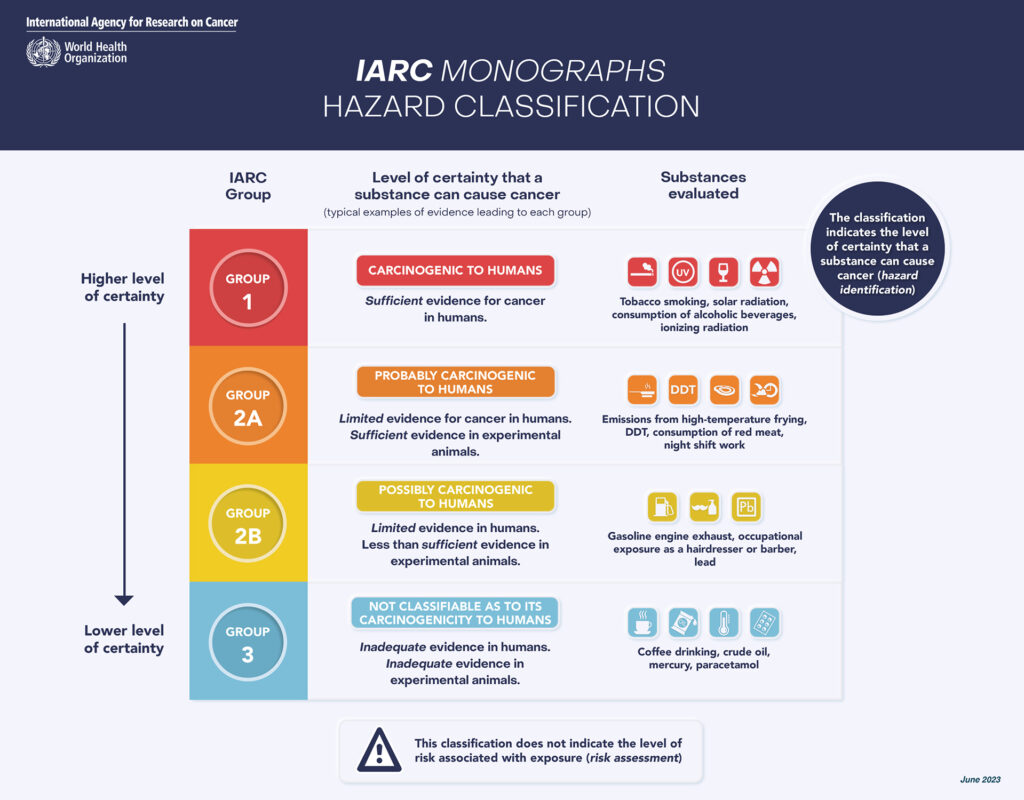
One of the most credible sources of information on cancer is the International Agency for Research on Cancer (IARC), a specialized cancer agency of the World Health Organization. The IARC evaluates scientific evidence on the causes of cancer and classifies agents according to the strength of evidence for their carcinogenicity in humans as shown in the figure below.
Source: https://www.iarc.who.int/infographics/iarc-monographs-classification/
Myth 1: Does sugar feed cancer cells?
- A common misconception that people have is that cancer feeds on sugar, causing it to grow and spread faster, but it is important to know that sugar is our body’s main source of energy, so your healthy cells need them too
- Cancer cells are made to thrive in hostile environments so even without sugar/ glucose, they will use protein or fat for energy
- Sugars are not only found in simple sugars but also in complex carbohydrates such as rice, breads, cereals & wholegrains, fruits, and some vegetables. These foods are high in vitamins, minerals and fibre which could be protective against cancer
- Even though sugar does not cause cancer, it is also recommended to reduce excessive amounts of sugary foods or drinks as high intake is associated with obesity
Myth 2: Do red meats and processed meats cause cancer?
- The International Agency for Research on Cancer (IARC) has classified:
- Group 1 (Carcinogenic): Processed meats such as sausages, ham, corned beef, biltong, jerky and canned meat
- Group 2A (Probably carcinogenic): Red meats such as beef, veal, lamb, mutton as Group 2A.
- Processed meats contain minimal nutritional benefits and are mostly high in fat & salt so it’s recommended to avoid or limit as much as possible to reduce cancer risk
- However, it is not necessary to completely avoid red meats in your diet as they are also good sources of protein, iron and vitamin B12
- Evidence suggests that 500g or less of red meat a week does not significantly increase cancer risk.
- World cancer research fund (WCRF) recommends keeping cooked lean red meat intake to 350-500g a week and can be included as part of a healthy & balanced diet during and after cancer treatment.
Myth 3: Do barbecuing and grilling meats, poultry and fish cause cancer?
- When meat, poultry and fish are cooked at very high temperatures or directly over an open flame, chemical compounds known as heterocyclic amines (HCA) and polycyclic aromatic hydrocarbons (PAH) can be formed.
- Research has shown that these two chemicals may contribute to cancer development by causing changes to DNA that can damage cells.
- However, grilled and barbecued foods can still be enjoyed occasionally as part of a balanced diet. Here are some tips to help you enjoy barbecuing while reducing potential health risks:
- Marinate your meat before cooking – acts as a barrier and protects the meat from the heat. Marinating meats with acidic ingredients such as vinegar or lemon may alter th pH of meat thus reducing the formation of HCA & PAH. Avoid using sugary marinades as they may burn and char the meat faster
- Cut meats in smaller pieces & partially cook meats before barbecuing – reduces the amount of time the meat is cooked over flame thus reducing PAH
- Use lean meats & cook over smaller flame – fatty meats may cause bigger flares which can cause higher formation of HCA & PHA. Flip the meat frequently to prevent it from getting burnt & trim away any charred meat before eating to reduce cancer risk
- Choose grilled vegetables, fruits, cheese & mushroom – no HCA & PHA are formed from grilling these foods
Myth 4: Do burnt carbohydrates cause cancer?
- A common concern is that burnt carbohydrate-rich foods produce a chemical called acrylamide, which some people believe may increase the risk of cancers
- Acrylamide is formed when carbohydrate- containing foods such as bread, biscuits, potatoes and other root vegetables are cooked at high temperatures through methods such as grilling, frying, baking and barbecuing.
- However, current research suggests that levels of acrylamide typically consumed in the diet are unlikely to significantly increase cancer risk. These foods can be safely enjoyed as part of a balanced diet, although it is generally advised to avoid excessively burning or overcooking foods.
Myth 5: Do artificial sweeteners cause cancer?
- There are 6 artificial sweeteners that are approved by the US Food and Drug Administration (FDA) as food additives which are saccharin, aspartame, acesulfame potassium (acesulfame-K, or Ace-K), sucralose, neotame, and advantame
- Of the approved artificial sweeteners, the International Agency for Research on Cancer (IARC) has classified aspartame as Group 2B which is possibly carcinogenic
- FDA has set the Acceptable Daily Intake for aspartame at 50mg per body weight (kilogram). To put this into perspective, a person weighing 70kg would have to drink at least 9-14 cans of diet soda a day to exceed the amount.
- Current evidence does not show a clear link between artificial sweeteners and cancer when consumed within recommended limits. Artificial sweeteners can still be a useful alternative to sugar for some individuals. As part of a balanced diet, it is generally recommended to limit both added sugars and highly processed foods and drinks, while using artificial sweeteners in moderation when appropriate.
Myth 6: Can a vegetarian diet prevent cancer?
- A vegetarian diet is a diet that typically consumes plant-based foods and avoids consumption of any animal products such as poultry, seafood, and meats.
- In many ways, vegetarian diet, if consumed correctly can be protective against cancer as they contain high amounts of vitamins, minerals, antioxidants and fibre
- However, it is also important to understand that excluding animal products from your diet does not automatically make it healthier.
- Some people who follow a vegetarian diet may not consume enough fruit or vegetables and instead consume a high amount of plant-based meat alternatives which could be highly processed with added additives. Some others may also consume high amounts of processed foods such as crisps, biscuits and cakes which can all be high in calories, fat, salt and sugar.
- In summary, it is not necessary to follow a vegetarian diet to prevent cancer but more emphasis should be placed on a healthy & balanced diet that includes a variety of nutritious foods instead.
Myth 7: Do soy & soy products increase cancer risk?
- Soy and soy products contain isoflavones, which is a type of phytoestrogen. It has a similar chemical structure to human estrogen which has been linked to increased cancer risk and therefore people thought that eating soy would also increase their risk of cancer
- However, research shows that phytoestrogen and human estrogen behave differently and phytoestrogen found in foods is safe for consumption.
- In addition, there is emerging evidence to show that consuming soy may reduce cancer risks
- Soy & soy products are excellent sources of protein, fibre, vitamins and minerals and can be included as part of your healthy & well-balanced diet.
- While soy foods and drinks are considered safe, the American Cancer Society does not recommend soy or isoflavone supplements, as they contain much higher concentrations of isoflavones than those found naturally in foods
Myth 8: Do tinned and canned foods cause cancer?
- Some people are worried about Bisphenol A (BPA), a chemical that is found in the lining of some canned foods. Current evidence does not show that the levels typically found in canned foods increase the risk of cancer in humans.
- Many canned foods can be part of a healthy diet. For example, canned fish such as sardine, tuna or salmon are excellent sources of protein and healthy fats (omega-3 fatty acid). Similarly, canned fruits and vegetables provide important vitamins, minerals and dietary fibre that support overall health.
- In conclusion, there is limited evidence linking canned foods to cancer. Nevertheless, as with all foods, it is recommended to consume canned products as part of a balanced diet and in moderation.
Myth 9: Do milk & dairy products cause cancer?
- Dairy products include cow’s milk, cheese, yoghurt, butter & cream
- Some people are concerned about the insulin-like growth factor 1 (IGF-1), a hormone found in dairy products, because earlier and older studies suggested it might be linked to cancer development and growth.
- However more recent research has found no clear evidence of a link between IGF-1 from dairy consumption and cancer.
- In fact, some studies suggest that diets rich in calcium may help reduce the risk of certain types of cancer.
- Dairy products are good sources of protein, vitamin & minerals especially calcium which plays an essential role in maintaining strong bones and overall health.
- In conclusion, current evidence does not support the claim that milk and dairy products cause cancer. When consumed as part of a balanced diet, dairy products can contribute to good health and nutrition.
Myth 10: Do alkaline foods prevent cancer?
- This myth started from earlier laboratory research showing that cancer cells thrive well in acidic environments therefore it was assumed that by eating only alkaline foods it can help to alter the blood pH level and hence prevent cancer from developing or growing.
- However, later research demonstrated that the acidic environment is a result of cancer cell growth rather than the cause of cancer itself.
- In addition, our body is designed to maintain and regulate a strict pH environment of 7.35-7.45. When we consume foods or medications that are highly acidic or alkaline, our liver and kidney help maintain this balance by processing and removing excess substances as waste products.
- Therefore, it is not possible to change the pH of our body based on the foods we eat and there is no current scientific evidence to support the claim that following an alkaline diet can prevent or stop the growth of cancer cells.
- A balanced diet that includes a variety of nutritious foods remains the best approach for supportive overall health and reducing cancer risk.
Myth 11: Should I avoid ‘cold’ food/drinks while on treatment?
- There is no scientific evidence to suggest that drinking cold water or cold beverages interferes with cancer treatment, worsens cancer outcomes, or causes cancer to spread more rapidly.
- The temperature of the drinks we consume does not influence the growth or spread of cancer cells. Patients can choose to drink beverages at a temperature that is comfortable for them, unless otherwise advised by their healthcare team for specific medical reasons.
Myth 12: Can superfoods cure and prevent cancer?
- Many people refer to foods such as beetroot, kale, spirulina, chia seeds, malunggay leaves as ‘superfoods’, believing that consuming these foods alone can prevent or cure cancer.
- While these foods are good sources of antioxidants, vitamins and minerals that are essential for promoting good health, there is no evidence to show that eating any of these foods on their own can prevent or cure cancer.
- There is no single food or ‘superfood’ that can cure or prevent cancer. Rather than focusing on one food, it is important to consider the quality of your overall diet. Adopting a healthy, well-balanced eating pattern that includes wholegrains, fruits, vegetables and lean proteins is more effective in reducing cancer risk and promoting long-term health.
Myth 13: Do organic foods prevent cancer?
- The main difference between conventionally grown foods and organic foods is that conventional farming may involve the use of synthetic fertilizers and pesticides, whereas organic farming follows standards that restrict or avoid their use.
- Many people associate conventionally grown products with cancer due to the use of fertilizers and pesticides, however there is minimal evidence to show that consuming organic foods will reduce risk of cancer
- Regardless of whether fruits and vegetables are conventionally grown or organic, they should always be washed before consumption. Proper washing helps remove dirt, pesticide residues, and other contaminants.
- It should also be noted that the nutritional content of conventionally grown produce is generally comparable to that of organic produce. Therefore, organic foods are not necessarily healthier from a nutritional standpoint.
- In addition, organic foods are often sold at a higher price. Relying exclusively on organic products may increase food costs and, for some individuals, could make it more difficult to consume an adequate variety and quantity of nutritious food.
- In general, a higher intake of fruits and vegetables – whether conventionally grown or organic- is associated with a reduced risk of cancer and provides important health benefits when consumed as part of a balanced meal.
Myth 14: Do microwave foods cause cancer?
- A common myth is that microwave ovens emit harmful radiation that can cause cancer.
- However, there is insufficient evidence to suggest that consuming food heated in a microwave is harmful or can increase cancer risk when the microwave is used properly.
- To ensure safe food preparation, it is recommended to use containers that are specially labelled as microwave-safe when heating food.
Myth 15: Do eggs cause cancer?
- This myth started because people were afraid that choline found in eggs are linked to cancer
- However, current research shows limited evidence linking egg consumption to cancer.
- Eggs are nutritious and provide high-quality protein, vitamins, minerals that are essential for health. Therefore, eggs can be included in moderation as part of a healthy and balanced diet
In conclusion, there is no single diet that can prevent or cause cancer. Instead, maintaining a balanced and healthy diet, together with an overall healthy lifestyle, is important for reducing cancer risk and supporting overall health. For any questions or concerns about diet and cancer, always seek advice from qualified healthcare professionals.
For more credible information on cancer and diet, visit these websites below:
- International Agency for Research and Cancer: List of Classifications – IARC Monographs on the Identification of Carcinogenic Hazards to Humans
- World Cancer Research Fund: What affects your risk of cancer? | World Cancer Research Fund
- Cancer Research UK: Diet and cancer | Cancer Research UK
- Cancer Council Australia: Cancer information and support | Cancer Council Australia
The Brunei Cancer Centre
Speak to Us Today
Whether you are seeking a second opinion, scheduling a screening or making a referral, our team is ready to help you take the next step.
-
Address
The Brunei Cancer Centre, Pantai Jerudong Specialist Centre Building, Jerudong Park Medical Centre, Jerudong Park BG 3122, Brunei Muara, Brunei Darussalam -
Phone
+673 261 3333 -
Working Hours
Monday - Thursday: 8.00am - 5.00pm
Friday: 8.00am - 5.00pm
Closed for Friday Prayer: 12.00noon - 2.00pm