








The Brunei Cancer Centre

Cancer Journey

Cancer Patient Journey

A Journey No One Should Face Alone

Receiving a cancer diagnosis can be a life-changing experience. At The Brunei Cancer Centre, our multidisciplinary team provides coordinated, compassionate, and personalized care from your first consultation through survivorship and beyond.

Coordinated Care

Working together as one team to support you

Compassionate Support

Caring for you with heart every step

Personalized Treatment

Tailored to your unique needs and goals

Understanding Your Cancer Journey

Cancer care follows a structured path designed to ensure timely diagnosis, personalized treatment, and comprehensive support. Here’s what to expect at each stage.

Referral & First Consultation

Meet the oncology team, review medical history and discuss the next steps in your care.

Assessment & Diagnostic Investigations

Tests and scans are done to understand your condition.

Diagnosis & Treatment Planning

Results are reviewed, options discussed, and the best plan is decided with the multidisciplinary team (MDT).

Treatment Pathways

A personalized treatment plan is created based on your diagnosis, health and preferences.

Treatment Phase

Treatment is delivered with close monitoring and support to manage side effects and well-being.

Follow-up & Survivorship

Regular follow-up to monitor recovery, manage long-term effects and support healthy living.

Supportive & Palliative Care

Care that improves quality of life, manages symptoms and provides emotional, social and practical support.

Patient & Family Resources

Access education, support groups and helpful resources whenever you need them.

Cancer Types We Treat

Specialized expertise across multiple cancer types, with dedicated teams providing comprehensive care for each condition.


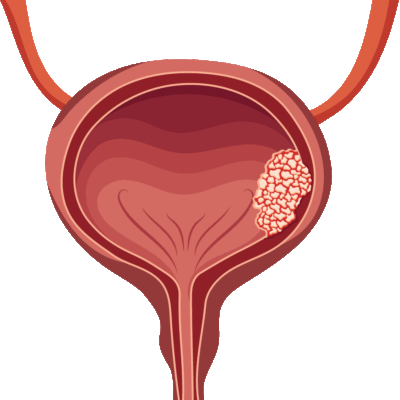
Bladder Cancer

Bladder

Tumour

Muscle Layer

Hover on the yellow dots to know more.

What is it?

Bladder cancer starts in the inner lining of the bladder. It usually develops from special cells called transitional cells.

Transitional cell bladder cancer is divided into two groups:

  1. Non-muscle invasive (superficial): Cancer is only in the inner lining of the bladder.
  2. Muscle-invasive: Cancer has grown deeper into the muscle layer of the bladder or beyond.

Symptoms

Blood in the urine (may be visible or found in tests)

Passing urine more often than usual 

Pain or discomfort in the lower abdomen

Diagnosis

Urine Test (Microscopy) 

Cystoscopy (a small camera to look inside the bladder) 

Imaging: Ultrasound Bladder / CT Scan / MRI 

Biopsy 

Treatments

Urine Test (Microscopy) 

Cystectomy: Surgery to remove part or all of the bladder 

Systemic: Chemotherapy (including treatment directly into the bladder), immunotherapy 

Others: Radiotherapy 

Risk Factors

Smoking

Older age

Exposure to certain chemicals

Being male

Other Information

  • Muscle-invasive cancer may need more intensive treatment such as surgery, chemotherapy, or radiotherapy.
  • Blood in the urine does not always mean cancer (it can be caused by infections or other conditions), but it is important to see a doctor for proper checks.

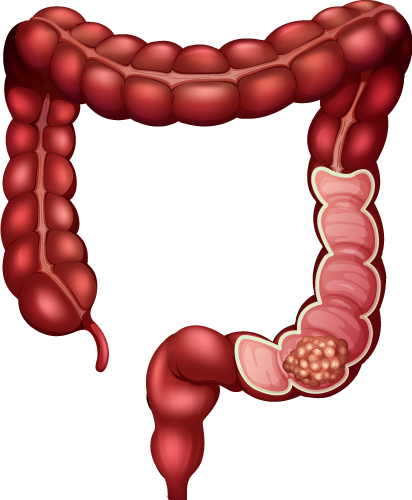
Colon & Rectal Cancer (Bowel/Colorectal Cancer)

Transverse colon

Tumour

Rectum

Hover on the yellow dots to know more.

What is it?

Colon cancer and rectal cancer are known as colorectal cancer or Bowel cancer, affects the large intestine, including the colon and rectum. It can develop in any part of the colon or rectum but is most commonly found in the lower descending colon, sigmoid colon, or rectum. The disease often begins as a small growth called a polyp in the lining of the bowel, and some polyps may develop into cancer over time.

Transitional cell bladder cancer is divided into two groups:

  1. Non-muscle invasive (superficial): Cancer is only in the inner lining of the bladder.
  2. Muscle-invasive: Cancer has grown deeper into the muscle layer of the bladder or beyond.

Symptoms

Blood in the stool (may be dark or black)​

Mucus in the stool​

Change in usual bowel habits (diarrhea or constipation)​

Abdominal pain or discomfort​

Important:
These symptoms are common and not always cancer—but should be checked if they persist.

Diagnosis

Rectal examination

The doctor inserts a gloved finger through your anus into your rectum to feel if there is a tumour in the lower part of the rectum​

Stool occult test to check for hidden blood​

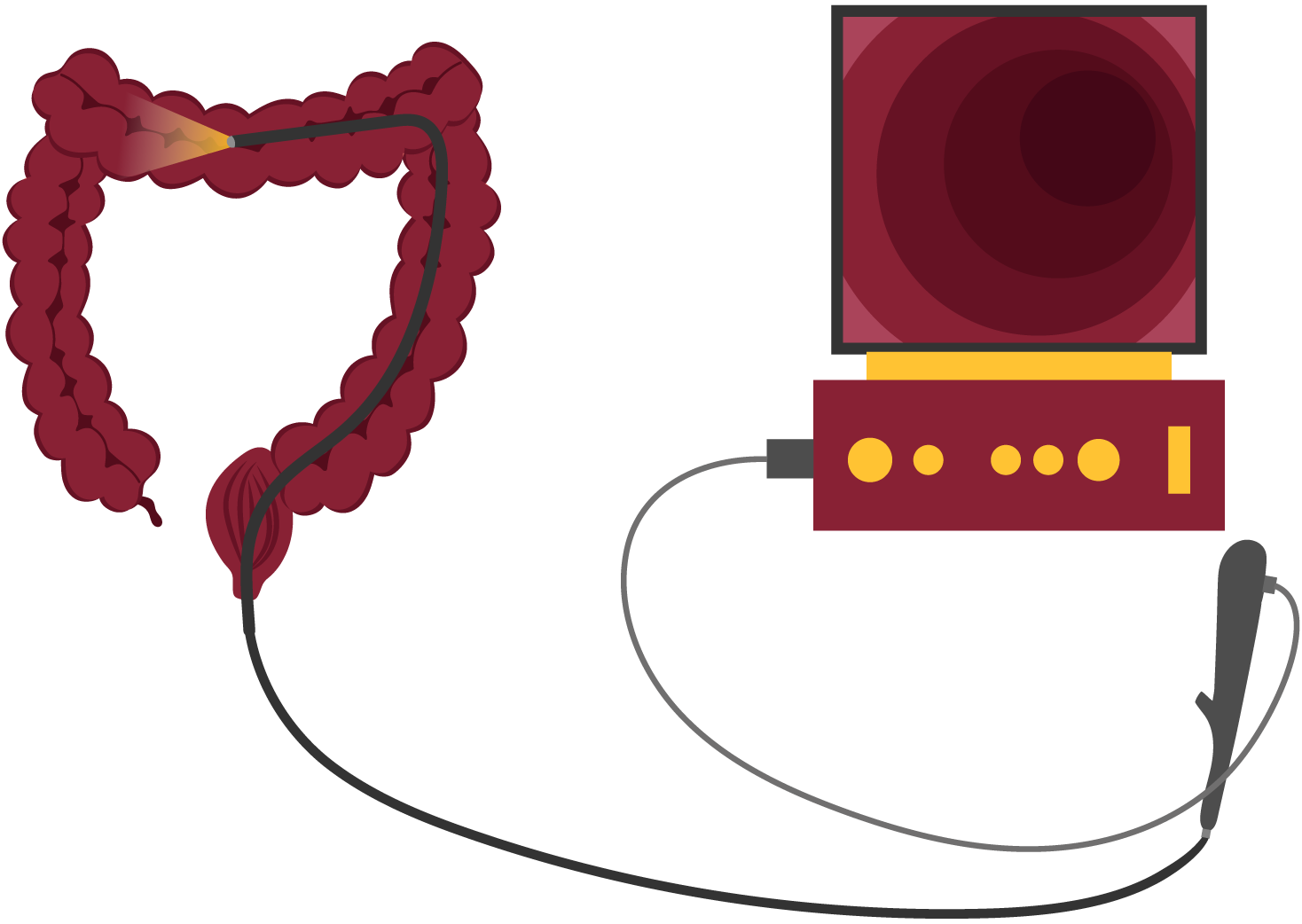
Colonoscopy (camera to examine the whole colon)​

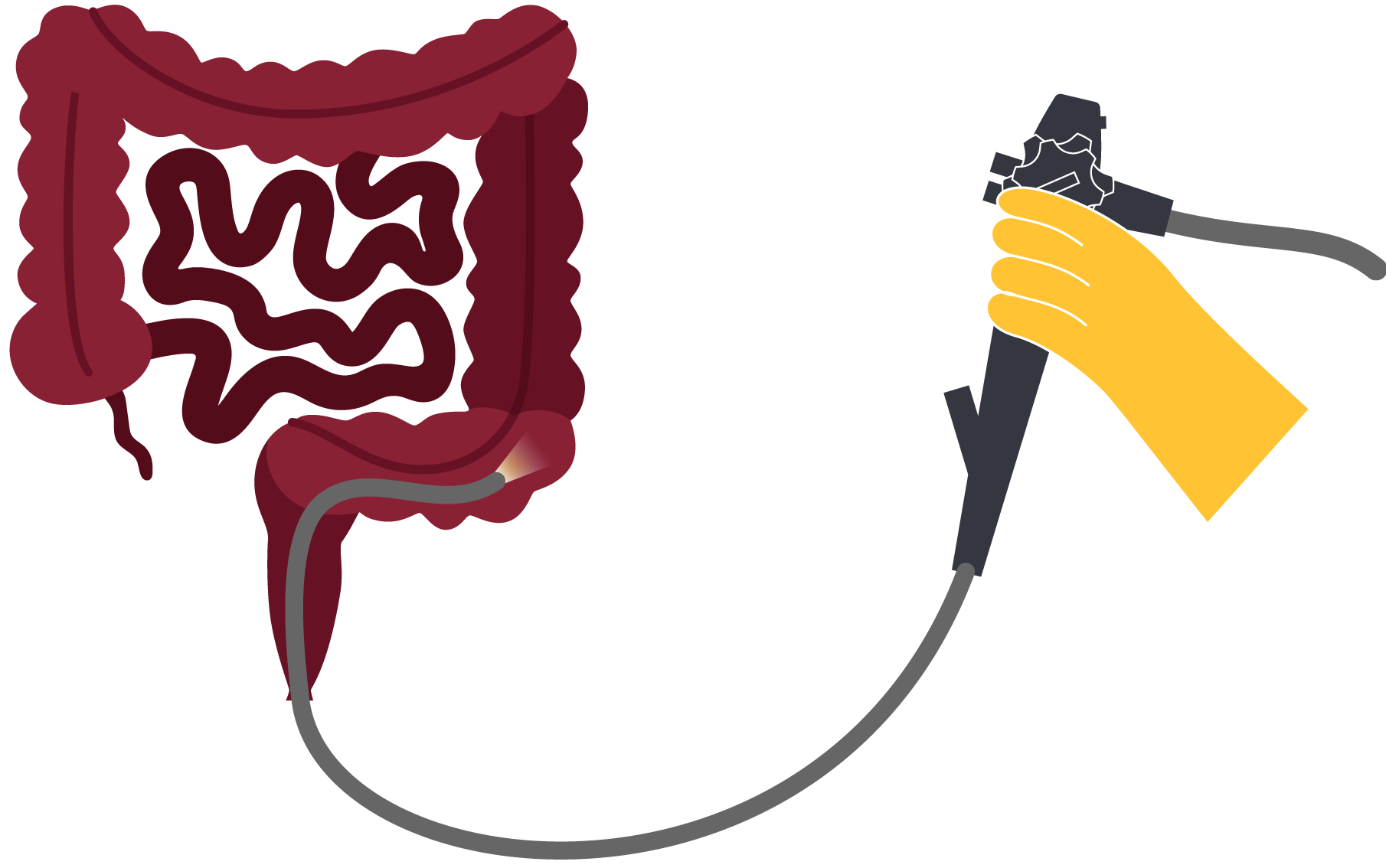
Flexible Sigmoidoscopy

Similar to colonoscopy but the difference is that a shorter telescope is used which is inserted only into the rectum and sigmoid colon.​

Biopsy 

Imaging

CT Scan, MRI, Ultrasound​

Treatments

Surgery​

Systemic

Chemotherapy, Targeted treatment and immunotherapy​

Radiotherapy 

Prevention and Healthy Habits

Eat more fibre (fruits, vegetables, whole grains)​

Reduce processed and red meat​

Stay active and maintain a healthy weight​

Avoid smoking and limit alcohol​

Go for screening tests if eligible​

Other Information

Sometimes, a colostomy (opening of the bowel to the abdomen) may be needed:​

  • Often temporary to allow healing​
  • Sometimes permanent if the cancer is very low in the rectum​

Breast Cancer

Hover on the yellow dots to know more.

What is it?

Breast cancer is a common type of cancer that mainly affects women, especially those over 40, although it can also occur in younger women and men. It begins when abnormal cells develop in the milk ducts or lobules of the breast and grow uncontrollably. While the exact cause is not always known, breast cancer may be linked to changes or mutations in certain genes that affect how cells grow.

Types of Breast Cancer

  1. Ductal Carcinoma in Situ (DCIS): Cancer cells are only inside the milk ducts and have not spread. This type is easier to treat and has a good outcome.
  2. Lobular Carcinoma in Situ (LCIS): Abnormal cells are found in the milk-producing glands. These usually do not spread but indicate a higher risk of developing breast cancer.
  3. Invasive Ductal Carcinoma: Cancer starts in the ducts and spreads into surrounding breast tissue.
  4. Invasive Lobular Carcinoma: Cancer begins in the lobules and spreads to nearby tissue.
  5. Inflammatory Breast Cancer: A rare but aggressive type. The breast may appear red, swollen, and warm.
  6. Paget’s Disease of the Breast: A rare cancer affecting the nipple area, often appearing like eczema.

Symptoms

A lump in the breast or armpit​

Changes in breast size or shape​

Nipple discharge or nipple turning inward​

Skin changes such as dimpling, redness, or rash​

Diagnosis

Clinical breast examination​

Imaging tests

Mammogram, CT Scan, Ultrasound, or MRI​

Core Biopsy / FNAC (taking a small tissue sample for testing)​

Treatments

Surgical

Lumpectomy or mastectomy​

Systemic

Chemotherapy, hormonal therapy, targeted therapy​

Others

Radiotherapy​

Other Information

Sometimes, a colostomy (opening of the bowel to the abdomen) may be needed:​

  • Often temporary to allow healing​
  • Sometimes permanent if the cancer is very low in the rectum​

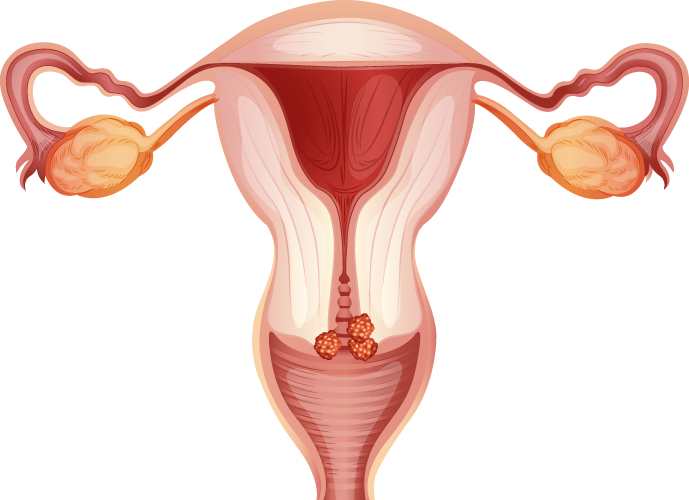
Cervical Cancer

Uterus

Fallopian tube

Ovary

Cancer cells

Cervix

Vagina
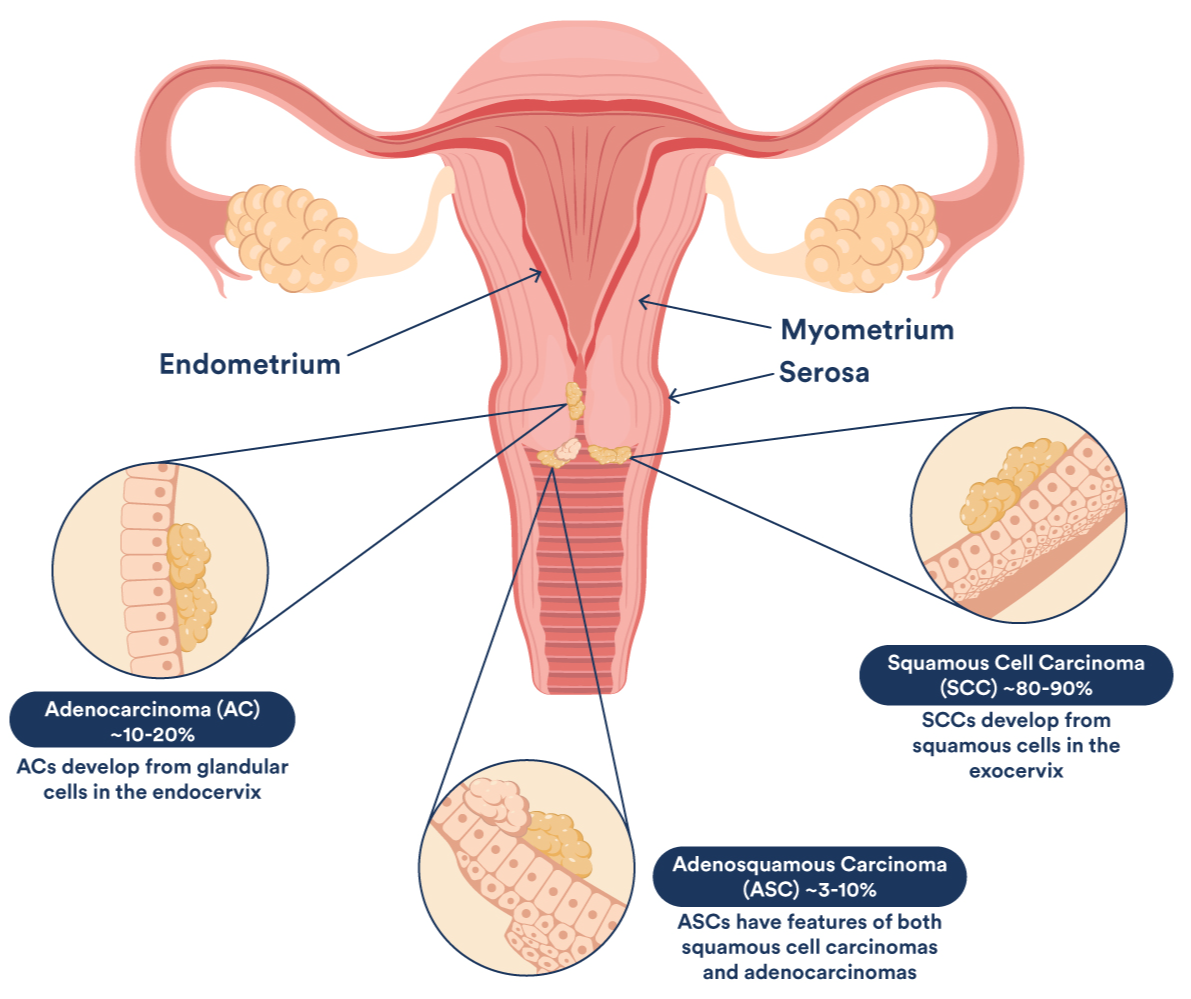
Hover on the yellow dots to know more.

Cervical cancer develops in the cervix, the lower part of the womb, and is most commonly caused by persistent infection with the Human Papillomavirus (HPV). It often affects women aged 25 to 45 but can occur at any age. Cervical cancer is often preventable and highly treatable when detected early.

Types of Cervical Cancer

Source
  • Squamous cell carcinoma: most common; starts in surface cells of the cervix
  • Adenocarcinoma: less common; starts in glandular (mucus-producing) cells

Symptoms

  • Early stages may have no symptoms
  • Bleeding between periods
  • Bleeding after sexual intercourse
  • Bleeding after menopause
  • Unusual vaginal discharge (may have a bad smell)
  • Pain or discomfort during intercourse
  • These symptoms should always be checked by a doctor

Diagnosis

  • Pelvic examination
  • Pap smear (cervical screening)
  • Colposcopy (closer examination of the cervix)
  • Imaging: Ultrasound / CT scan
  • Blood Test: CA125 / CEA
  • Cervical Biopsy

Treatments

  • Surgical: Removal of tumor (Hysterectomy)
  • Systemic: Chemotherapy, targeted therapy
  • Others: Radiotherapy

Other Information

  • HPV vaccination significantly reduces risk. 
  • Attend regular cervical screening (Pap smear). Early detection leads to very high treatment success. 
  • Do not ignore abnormal bleeding or discharge. Seek medical advice early if symptoms occur. 

Uterus (Endometrium) Cancer

Endometrial cancer develops in the inner lining of the womb (endometrium) and is the most common type of uterine cancer. It is often detected at an early stage, which can lead to a high chance of successful treatment.

Types of Cancer

Endometrioid adenocarcinomas: arise from cells that form the glandular tissue in the lining of the endometrium. 

Symptoms

  • Bleeding after menopause (most important sign)
  • Unusual vaginal discharge
  • Persistent lower abdominal (pelvic) pain
  • Any abnormal vaginal bleeding should be checked promptly by a doctor

Diagnosis

  • Pelvic examination
  • Endometrial biopsy (sampling)
  • Hysteroscopy (camera to view inside the womb)
  • Imaging: CT scan / MRI / Ultrasound (abdomen/pelvis)

Treatments

  • Surgery: Hysterectomy (main treatment)
  • Radiotherapy
  • Systemic: Chemotherapy / Hormonal therapy (in selected cases)

Other Information

  • Early detection offers an excellent prognosis. 
  • Higher risk in women with obesity. 
  • Higher risk in women with diabetes or high blood pressure. 
  • Higher risk in women with late menopause or no pregnancies. 
  • Lynch syndrome (inherited condition) increases risk of endometrial and bowel cancers. 
  • Postmenopausal bleeding is not normal and requires prompt medical advice. 

Gynaecological Cancer

Gynaecological cancers affect a woman’s reproductive organs, including the womb (uterus), cervix, ovaries, vagina, and vulva. Each type may have different symptoms and treatments. Some, such as cervical cancer, can be detected early through screening, and early detection can improve treatment outcomes.

Types of Gynaecological Cancer

  1. Uterine (Endometrial) Cancer: begins in the lining of the womb
  2. Ovarian Cancer: begins in the ovaries
  3. Cervical Cancer: begins in the cervix

Key Information

  • Seek medical advice for unusual symptoms, such as abnormal bleeding, pelvic pain, or persistent bloating. 
  • Attend regular cervical screening (Pap smear) as recommended. 
  • Maintain regular health check-ups. 
  • Early diagnosis can significantly improve treatment success. 

Kidney Cancer

Kidney cancer develops when abnormal cells grow in the kidney and form a tumour. It usually begins in the small tubes inside the kidney that help filter blood and produce urine.

Types of Kidney Cancer

  1. Renal cell cancer: the most common type. It starts in the small tubes of the kidney.
  2. Transitional (urothelial) cancer: a rare type that starts in the lining of the kidney, ureters, or bladder.

Symptoms

  • Blood in the urine
  • Pain or discomfort in the side or back 
  • Fever 
  • Night sweats 
  • Tiredness 
  • Low blood count (anaemia) 
  • A lump or swelling in the kidney area 
  • Unexplained weight loss 

Diagnosis

  • Imaging: CT scan / MRI / Ultrasound kidney 
  • Blood test 
  • Kidney Biopsy 

Treatments

  • Surgery 
  • Others: Radiotherapy 
  • Systemic: Immunotherapy / Targeted Molecular Therapies 

Other Information

  • Risk factors include older age, smoking, obesity, chronic kidney disease, and high blood pressure 
  • Eating fatty fish, plenty of fruit and vegetables, and moderate alcohol may reduce the risk. 
  • Please see a doctor if there is blood in your urine 

Lung Cancer

Lung cancer starts in the lungs, often linked to smoking but can occur in non-smokers.

Types of Lung Cancer

  1. Small-cell lung carcinoma (SCLC) – grows and spreads (metastasizes) rapidly.
  2. Non-small-cell lung carcinoma (NSCLC) – most common adenocarcinoma, Squamous cell carcinoma (SCC), large-cell carcinoma.

Symptoms

  • Persistent cough 
  • Shortness of breath or wheezing 
  • Hoarse voice 
  • Chest / Shoulder pain 
  • Coughing blood 
  • Unexplained weight loss 

Diagnosis

  • Chest X-ray / CT scan / MRI 
  • Biopsy 
  • Bronchoscopy 

Treatments

  1. Surgical: Offered in early stage and is not usually performed for people with SCLC. Also, surgery may not be an option if your general health is poor.
  2. Systemic: Chemotherapy, immunotherapy, targeted therapy may be given to people with SCLC and NSCLC.
  3. Others: Radiotherapy

Other Information

  • Smoking is the biggest risk factor 
  • Early stages may have no symptoms 

Lymphoma (Blood Cancer Involving the Lymphatic System)

Lymphoma is a type of blood cancer that affects lymphocytes, the white blood cells that help fight infection. It develops when abnormal lymphocytes build up in the lymph nodes and other parts of the lymphatic system.

Types of Blood Cancer

  • Leukaemia 
  • Myeloma 
  • Lymphoma 

Main Types of Lymphoma

  • Hodgkin Lymphoma (HL) 
  • Non-Hodgkin Lymphoma (NHL) 

Key Differences Between HL and NHL

  • HL is more common than HL. 
  • HL is identified by Reed-Sternberg cells, while NHL does not contain these cells. 
  • HL often affects younger adults, whereas NHL can occur at any age and is more common in older adults. 
  • NHL may arise in different parts of the lymphatic system and spread less predictably. 

Diagnosis

  • Physical examination and blood tests 
  • Lymph node biopsy 
  • CT scan or PET scan 
  • Bone marrow biopsy when required 

Treatments

  • Chemotherapy 
  • Radiotherapy 
  • Immunotherapy (commonly for NHL) 
  • Targeted therapy 
  • Stem cell transplant for selected or relapsed cases 

Outlook and When to Seek Medical Advice

  • Many lymphomas are treatable, especially when diagnosed early. 
  • Regular follow-up is important during and after treatment. 
  • Seek medical advice if swollen lymph nodes last more than 2-3 weeks, or if there is unexplained fever, night sweats, weight loss, or persistent tiredness. 

Nasopharyngeal Cancer (NPC)

Nasopharyngeal cancer (NPC) develops in the nasopharynx, the upper part of the throat located behind the nose and below the base of the skull. This area connects the nose to the throat and allows air to pass through. NPC is a type of head and neck cancer.

Types of Nasopharyngeal Cancer

  • Keratinizing squamous cell carcinoma: more common in some regions 
  • Non-keratinizing carcinoma: most frequently seen; often linked to viral infection 
  • Basaloid squamous cell carcinoma: rare, more aggressive 

Symptoms

  • Lumps in neck (painless/painful) 
  • Constant feeling fullness in 1 ear (in early stages, symptoms may seem unrelated to nasopharynx) 
  • Hoarseness voice 

Diagnosis

  • Physical examination 
  • Imaging: CT Scan / MRI / Ultrasound 
  • Biopsy / FNAC sampling 
  • Blood test: Routine blood test, Epstein-Barr Virus (EBV) DNA levels 
  • Nasopharyngoscopy 
  • Others: baseline hearing test, eye and vision examination, full dental exam, evaluation of speech and swallowing ability 

Treatments

  • Surgery 
  • Systemic: Chemotherapy / Immunotherapy / Targeted therapy 
  • Others: Radiotherapy 

Other Information

  • Avoid tobacco and heavy alcohol use to help lower NPC risk. 
  • HPV vaccination and avoiding HPV infection may help prevent NPC and some other cancers. 
  • Diets high in salt-cured fish have been linked with NPC risk; reducing intake may lower risk. 

Ovarian Cancer

Ovarian cancer develops in the ovaries, which produce eggs and hormones such as oestrogen and progesterone. It is sometimes called a silent cancer because it may cause few or no symptoms in its early stages.

Types of Ovarian Cancer

  • Epithelial: most common; usually affects postmenopausal women
  • Germ cell: affects younger women; often highly treatable
  • Stromal: rare; develops from connective tissue cells that fill the ovary and produce hormones

Symptoms

  • Abdominal bloating that does not go away
  • Pelvic or lower abdominal pain/pressure
  • Feeling full quickly or loss of appetite
  • Frequent urination
  • Changes in bowel habits (constipation or diarrhoea)
  • Symptoms that occur frequently and persistently for more than a few weeks should be checked by a doctor

Diagnosis

  • Ultrasound / CT Scan / MRI
  • Blood test (CA125)
  • Laparoscopy

Treatments

  • Surgery
  • Systemic: Chemotherapy, Targeted Treatment
  • Others: Radiotherapy

Other Information

  • There is no routine screening test for ovarian cancer. Pay attention to persistent, unusual symptoms. 
  • Ovarian cancer can be difficult to detect early. 
  • Persistent symptoms matter. Trust your body and seek medical advice. 

Prostate Cancer

Prostate cancer develops in the prostate gland, which is part of the male reproductive system. It is more common in older men and often grows slowly. Treatment depends on the stage of the cancer and may include surgery, radiotherapy, or hormone therapy. Hormone therapy reduces testosterone levels to help slow or stop the growth of cancer cells.

Symptoms

  • Weak or slow urine flow 
  • Dribbling after urination 
  • Difficulty controlling urine (incontinence) 
  • Passing urine more often, especially at night 
  • Feeling that the bladder is not fully empty 

Diagnosis

  • Physical examination of the prostate 
  • Blood test (PSA) 
  • Imaging tests (CT scan, Ultrasound, or MRI) 
  • Biopsy (taking a small tissue sample for testing) 

Treatment

  • Surgical 
  • Systemic: Hormonal therapy, chemotherapy 
  • Others: Radiotherapy 

Other Information

  • Prostate cancer is common in older men 
  • Many men with these urinary symptoms do not have cancer, but a non-cancerous (benign) prostate enlargement 
  • It is important to see a doctor if you have any new or worrying symptoms 

Thyroid Cancer

Thyroid cancer develops in the thyroid gland, a small butterfly-shaped organ at the front of the neck that helps control metabolism, energy, and hormones. It is an uncommon cancer and affects women more often than men. Papillary thyroid cancer can also occur in younger people, particularly women.

Types of Thyroid Cancer

  • Papillary: Most common type of thyroid cancer. Usually grows slowly and responds well to treatment
  • Follicular: Less common. Usually affects older adults. Treated like papillary thyroid cancer
  • Medullary: Rare; may run in families
  • Anaplastic: Very rare, fast-growing
  • Hurthle cell: Uncommon subtype

Symptoms

  • Painless lump in the neck 
  • Hoarseness or voice changes 
  • Swollen lymph nodes 
  • Difficulty swallowing or breathing 
  • Neck or throat discomfort 

Diagnosis

  • Physical examination 
  • Blood tests (Thyroid Function Tests – TFTs) 
  • Biopsy (fine needle aspiration) 
  • Imaging: CT / MRI / PET scan (selected cases) / Ultrasound (first-line imaging) 

Treatments

  • Surgery (main treatment) 
  • Radioactive iodine therapy 
  • Radiotherapy 
  • Chemotherapy (less commonly used) 
  • Targeted therapy (for advanced cases) 

Other Information

  • Most thyroid nodules are not cancer but should be checked. 
  • Early thyroid cancer is often highly treatable. 
  • Lifelong thyroid hormone medication may be needed after surgery. 
  • Report any new neck lumps or voice changes promptly. 
  • Family history matters. Inform your doctor if relatives have thyroid cancer. 

The Brunei Cancer Centre

Speak to Us Today

Whether you are seeking a second opinion, scheduling a screening or making a referral, our team is ready to help you take the next step.

We'd Love to Hear From You!

Help Us Improve Your Experience

At JPMC, we are committed to delivering safe, high-quality care and an exceptional patient experience. Your feedback helps us improve our services and strengthen our commitment to quality and patient safety.

Based on your recent visit, how likely are you to recommend JPMC to your friends and family?