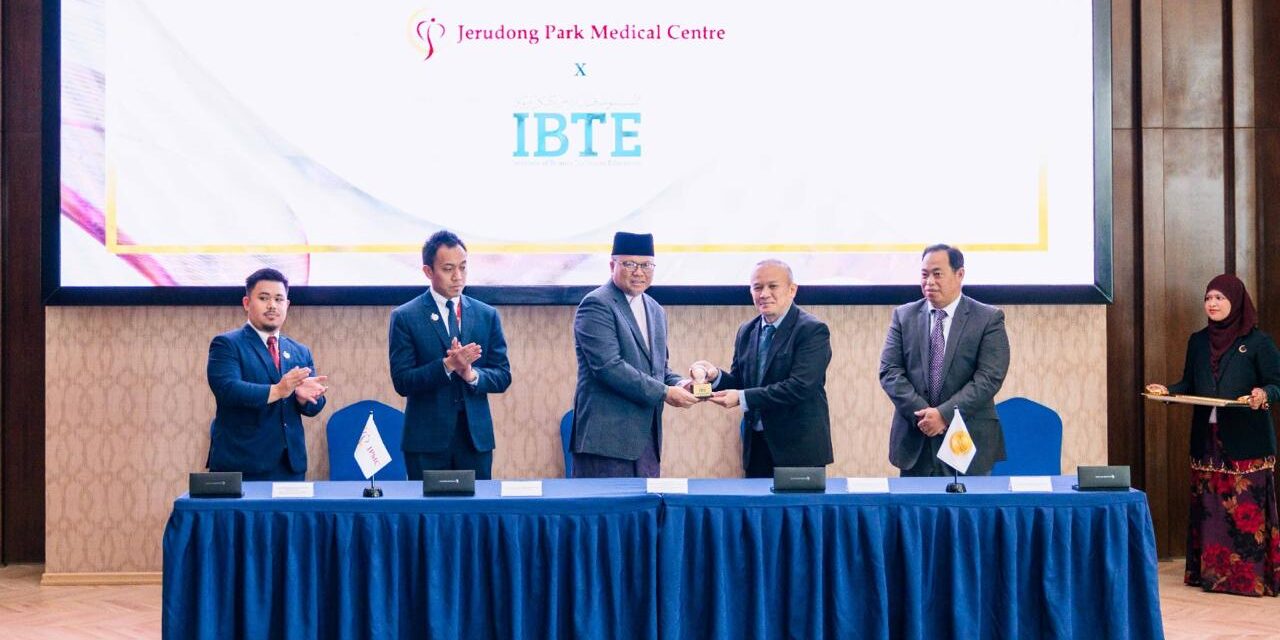
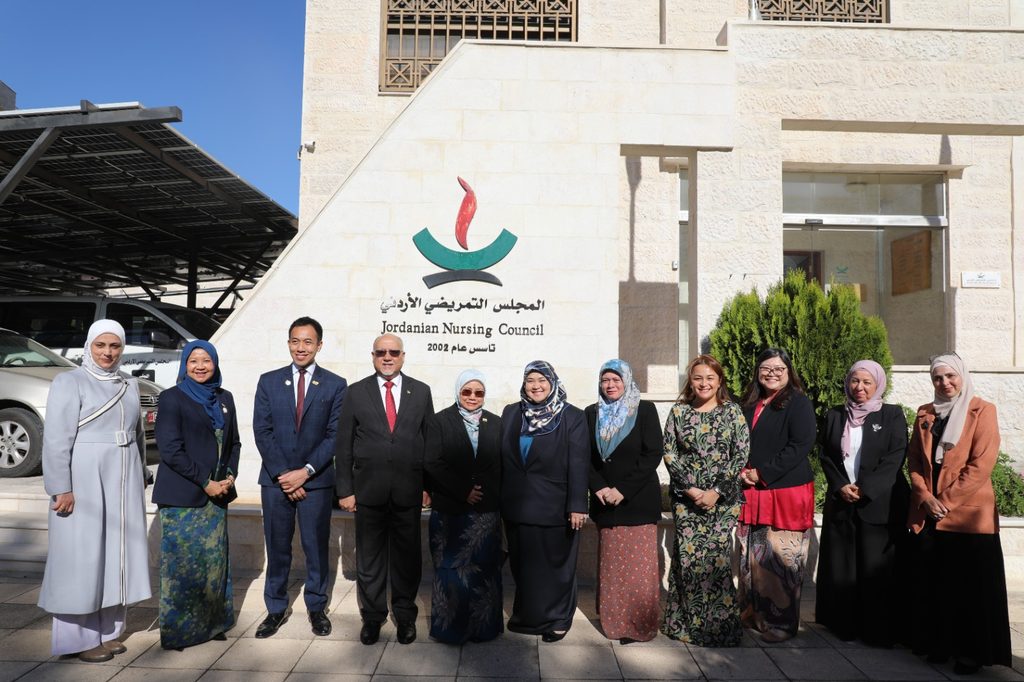
AMMAN, JORDAN – Jerudong Park Medical Centre (JPMC) and JPMC College of Health Sciences (JCHS) have strengthened healthcare cooperation between Brunei Darussalam and the Hashemite Kingdom of Jordan following the signing of two
Memoranda of Understanding (MoUs) with the Jordanian Nursing Council (JNC) in Amman, Jordan.
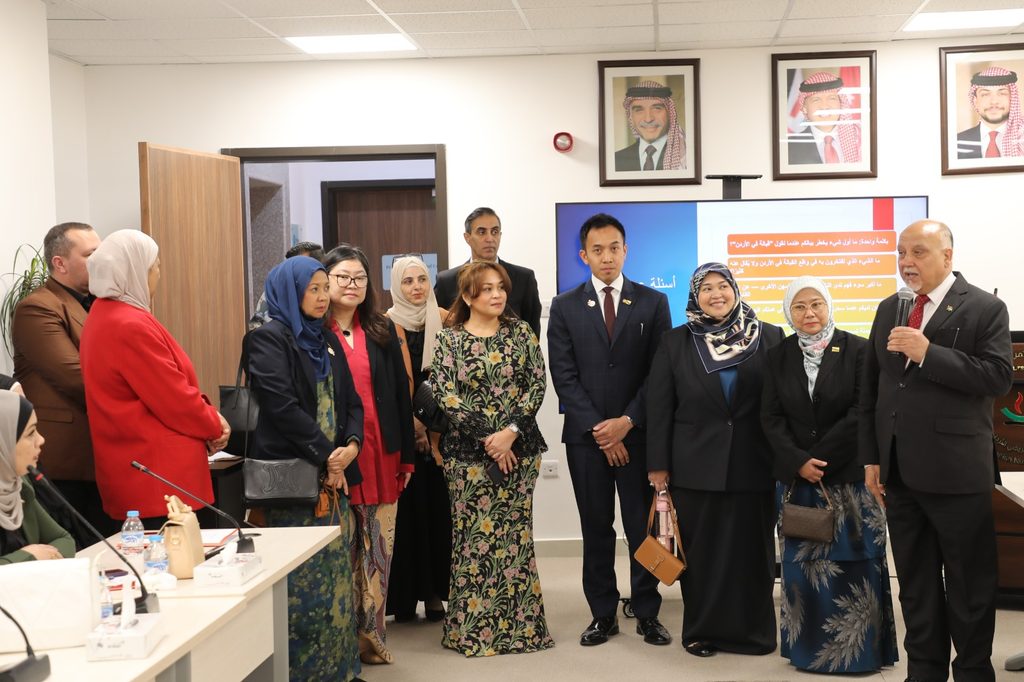
The agreements mark a significant milestone in strengthening institutional ties between the two countries, reflecting a shared commitment to healthcare workforce development, nursing excellence and collaboration in areas such as education, clinical training, research and professional exchange. The MoUs were signed during a joint working visit by JPMC and JCHS delegates to Jordan, where discussions with healthcare and educational institutions helped identify opportunities for meaningful, long-term partnerships.
The MoU between JPMC and JNC establishes a framework for broader cooperation in healthcare workforce development, professional competency building and the exchange of clinical expertise. Beyond facilitating opportunities for qualified Jordanian nursing professionals to contribute to Brunei Darussalam’s healthcare sector, the partnership seeks to create pathways for continuous professional development, specialised clinical training, knowledge sharing and professional exchange programmes.
It also provides opportunities to explore clinical attachments, collaborative training initiatives and exposure to specialised nursing practices, enabling healthcare professionals from both countries to learn from each other’s experiences, strengthen clinical competencies and advance professional standards. Through this collaboration, JPMC aims to support the development of a more skilled, adaptable and sustainable healthcare workforce while fostering stronger professional links between Brunei Darussalam and Jordan.
The MoU between JCHS and JNC focuses on strengthening academic and institutional cooperation in nursing education, professional development and scientific research. Areas of collaboration include the development and enhancement of
educational programmes, continuous professional development, faculty and knowledge exchange, collaborative research, training opportunities and capacity building initiatives. The partnership will also provide a platform to explore opportunities for academic collaboration and the advancement of nursing education and professional practice.
Together, the two agreements establish complementary pathways for cooperation, connecting healthcare service delivery with academic development and professional training while creating opportunities for both countries to benefit from their respective expertise, resources and capabilities.
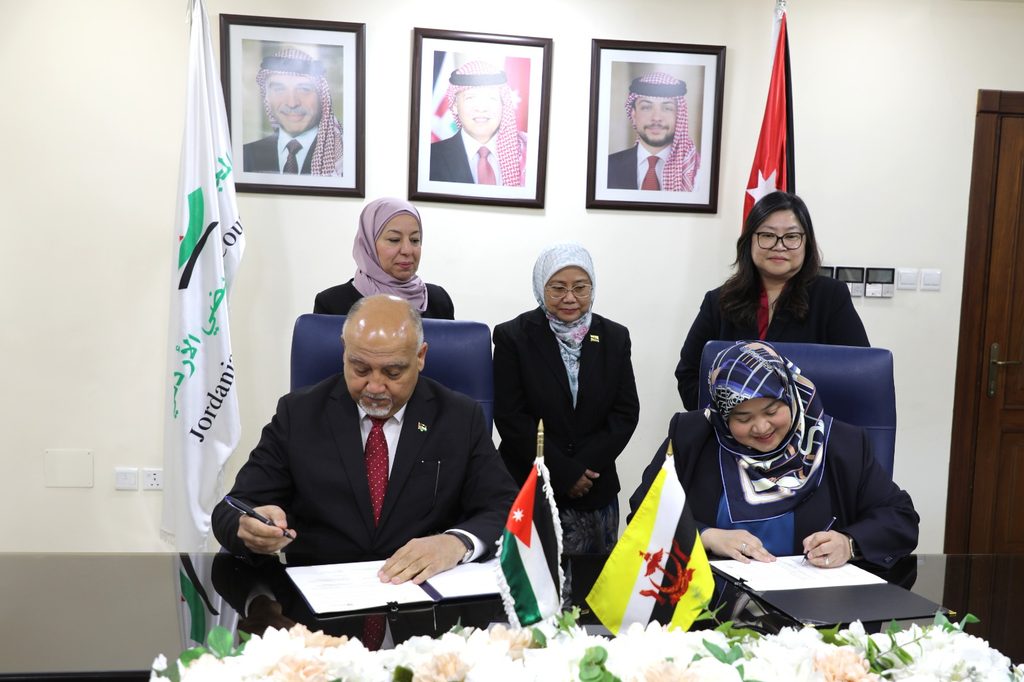
The MoU on behalf of JPMC was signed by Mohammad Salehin bin Haji Basir, Chief People Officer, and Jang Tracy Ramantan, People Manager and Head of People Strategy of JPMC. The agreement on behalf of JCHS was signed by Dk Hjh Dewi
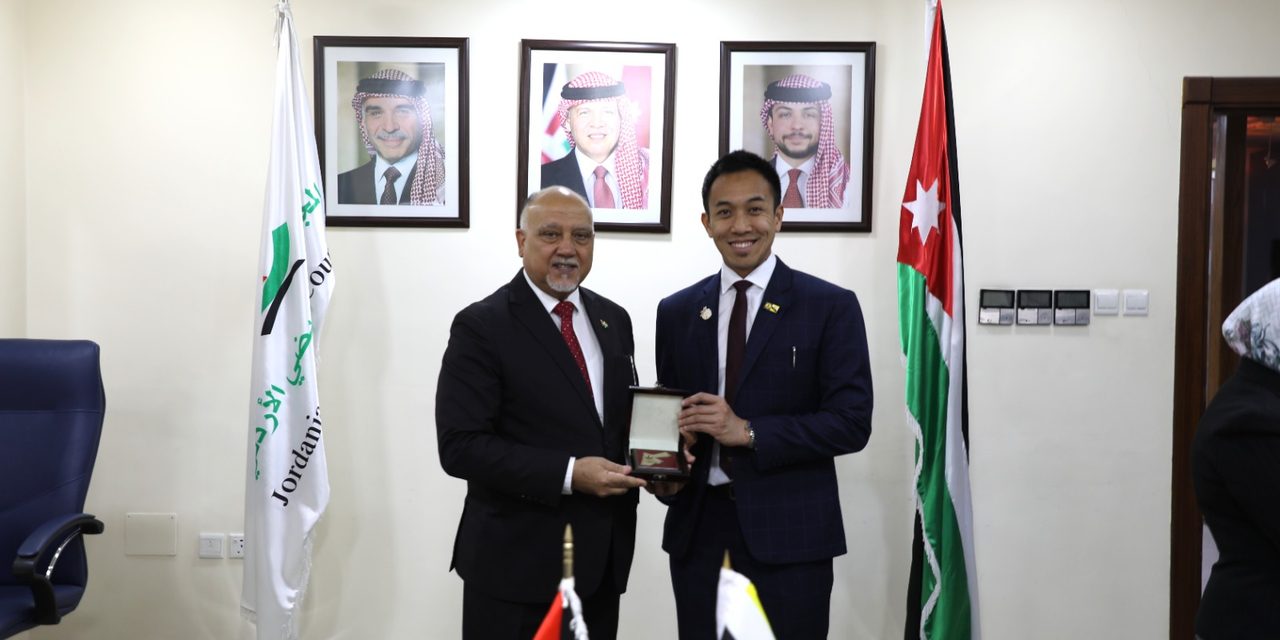
Sarwani binti Pg Hj Sarpuddin, Member of the Board of Directors of JPMC and JCHS, and Chung Yea Fui, Chief Executive Officer of JCHS. Professor Dr Hani Nawafleh, Secretary General, signed on behalf of JNC. Aisha Dammra, Director of the Technical Directorate, JNC, witnessed the signing.
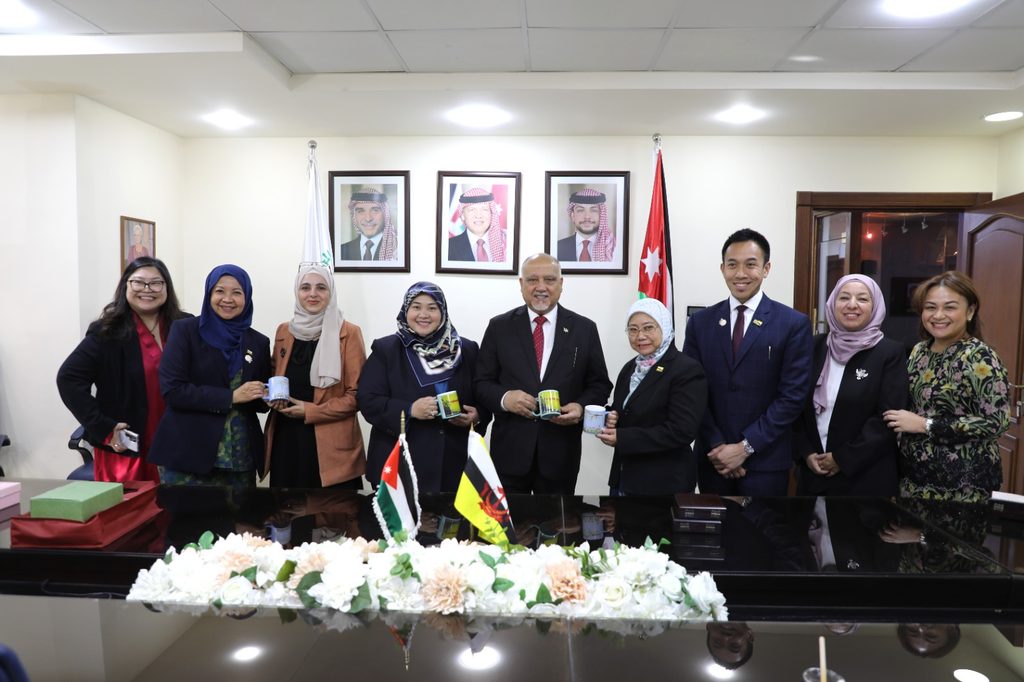
The Brunei delegation also included Pg Dr Hjh Siti Nur’Ashikin binti Pg DP Hj Tengah, Acting Chief Medical Officer of JPMC. The visit was supported by the Embassy of Brunei Darussalam in Jordan, represented by the Ambassador of Brunei Darussalam to the Hashemite Kingdom, Her Excellency Hajah Nor Huda binti Begawan Pehin Khatib Dato Paduka Haji Ahmad.
Speaking on the significance of the agreements, Professor Dr Hani Nawafleh, the Secretary General of the Jordanian Nursing Council, highlighted the Council’s commitment to building on the outcomes of the visit by developing a wider institutional network connecting Jordanian healthcare and educational institutions with their counterparts in Brunei Darussalam. This would open further opportunities for professional exchange, specialised training, research collaboration and the recruitment and development of healthcare professionals.
In turn, Mohammad Salehin bin Haji Basir, JPMC Chief People Officer, said:
“Jordan has an established foundation in nursing education, clinical practice and professional training, supported by a highly qualified healthcare workforce. We are keen to build on these strengths through opportunities for knowledge exchange, specialised training, professional development and institutional collaboration. Equally, we want to create opportunities for our own healthcare professionals to broaden their clinical exposure, develop new competencies and learn from international best practices.
Our ambition is to establish a partnership that delivers mutual benefits, strengthens the capabilities of our healthcare institutions and contributes to the long-term development of healthcare professionals in both countries.”
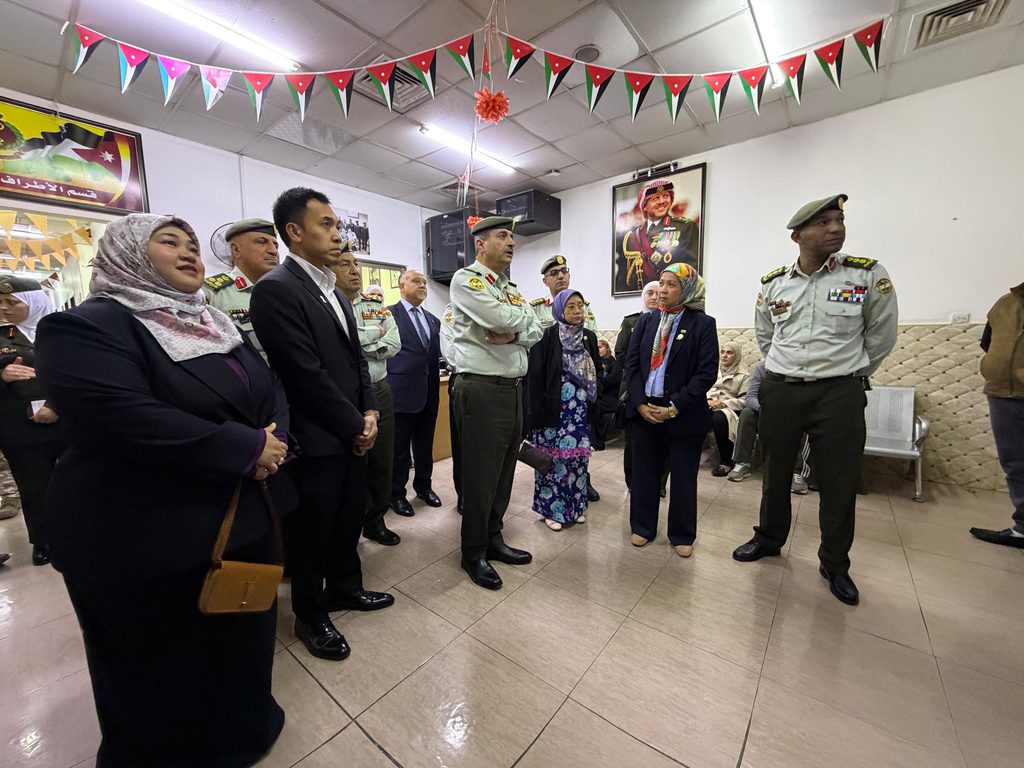
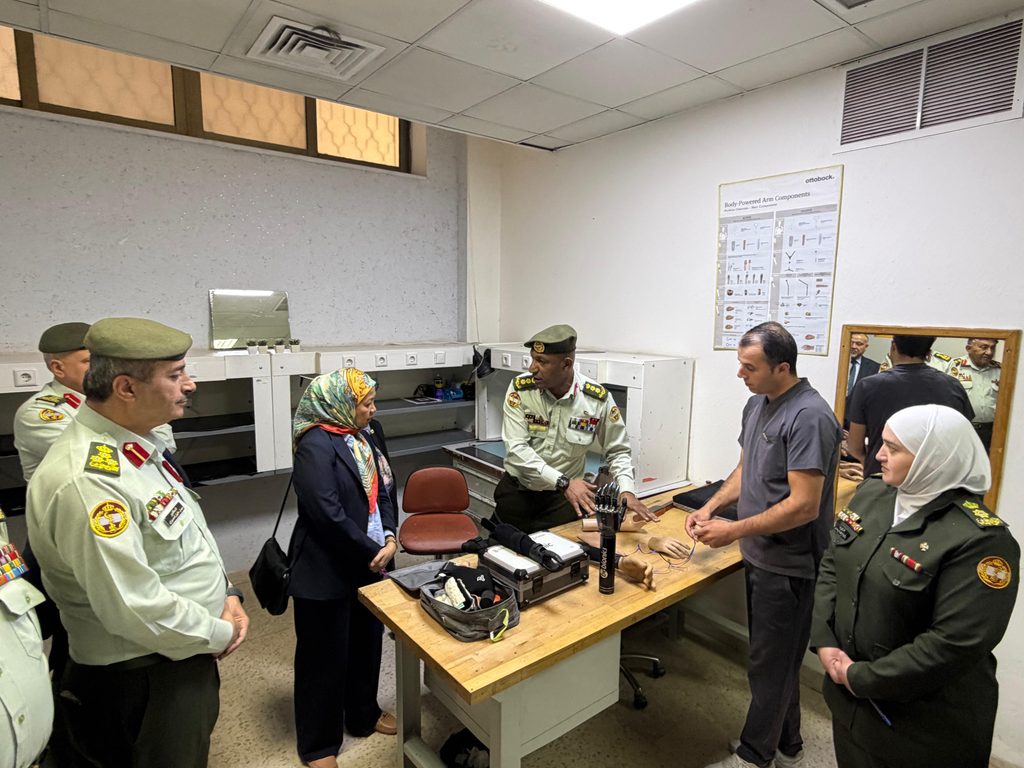
The delegation also undertook a series of institutional engagements and visits to leading Jordanian healthcare organisations to gain insights into the country’s healthcare delivery, specialist services, medical education, nursing practices and professional training systems. These included King Hussein Cancer Centre, the Royal Medical Services, King Hussein Medical City, Jordan University Hospital and The Specialty Hospital. The delegation also toured training facilities, including simulation based learning environments and life support training facilities, and gained further insight into Jordan’s approach to developing clinical competencies and strengthening professional practice.
The visit introduced the delegation to Jordan’s integrated model of healthcare delivery, medical education and specialised training. Discussions explored opportunities for clinical attachments, internships, specialised training programmes, joint workshops and the exchange of professional expertise.
The delegation also recognised Jordan’s significant humanitarian role in providing medical assistance and healthcare services to the Palestinian people, particularly those affected by the ongoing crisis in Gaza. Through the efforts of its healthcare institutions, including the Royal Medical Services and King Hussein Cancer Centre, Jordan has continued to extend medical support through field hospitals, specialised treatment, medical evacuation initiatives and rehabilitation services for affected patients.
Jordan’s experience presents an opportunity for Brunei Darussalam to explore how its healthcare institutions and professionals can contribute to broader humanitarian healthcare efforts while providing meaningful ways for them to apply their expertise and capabilities in support of communities in need.
The delegation also had the pleasure of meeting with representatives of Jordan’s private healthcare sector, including Dr Fawzi Al-Hamouri, Director General of The Specialty Hospital and President of the Private Hospitals Association, to discuss opportunities for wider healthcare cooperation, including workforce development, professional training, exchange of expertise and potential partnerships with private healthcare institutions.
The visits provided opportunities to observe specialised clinical services, understand institutional practices and explore potential areas of cooperation in cancer care, rehabilitation, specialist healthcare and clinical workforce development, including specialist and subspecialist training, clinical education, research, faculty exchange and the development of healthcare services. The engagements reflect a shared interest in moving towards a more integrated approach to international healthcare cooperation, connecting professional bodies, healthcare providers and academic institutions to create meaningful opportunities for both countries.
For Brunei Darussalam, such partnerships are particularly important in strengthening the national healthcare workforce, broadening access to specialised knowledge and expertise, developing local professional capabilities and supporting the delivery of safe, sustainable and high-quality healthcare services for the Bruneian people.
The collaboration also reinforces the commitment of both JPMC and JCHS to international engagement, continuous professional development and institutional excellence while supporting the broader national aspirations of Wawasan Brunei 2035, particularly in developing a highly skilled and educated population and ensuring a high quality of life for the people of Brunei Darussalam.
Ultimately, these partnerships reflect a shared belief that the value of healthcare cooperation extends beyond institutional development and national interests. By strengthening professional capabilities, exchanging expertise and exploring opportunities for humanitarian collaboration, JPMC and JCHS aspire to contribute to the advancement of healthcare in Brunei Darussalam and to the wider regional and international healthcare community.
About Jerudong Park Medical Centre – “Your Healthcare Partner for Life”
Jerudong Park Medical Centre (JPMC), a subsidiary of Darussalam Assets Sdn Bhd (DA), is a private hospital in Brunei Darussalam providing general, specialist and surgical healthcare through coordinated multidisciplinary teams. JPMC became the first hospital in Brunei Darussalam to receive Joint Commission International (JCI) accreditation in 2014, with subsequent reaccreditation in 2017, 2020 and 2026, reflecting its ongoing commitment to patient safety, quality care and continuous improvement.