For many people, art is often seen as a hobby, something relaxing, enjoyable, or creative. But for others, art can become something much deeper: a way to process grief, express fear, rebuild confidence, and heal emotionally when words feel impossible to find.
In Brunei, awareness of art therapy is still growing, but its importance is becoming increasingly recognised in healthcare and emotional wellbeing. One of the people helping to build that awareness is Nur Nadiah Suhaili, an art therapist who works closely with patients facing difficult physical and emotional journeys. Through her work, she has witnessed how creativity can support not only emotional healing, but physical recovery too.
What Is Art Therapy?
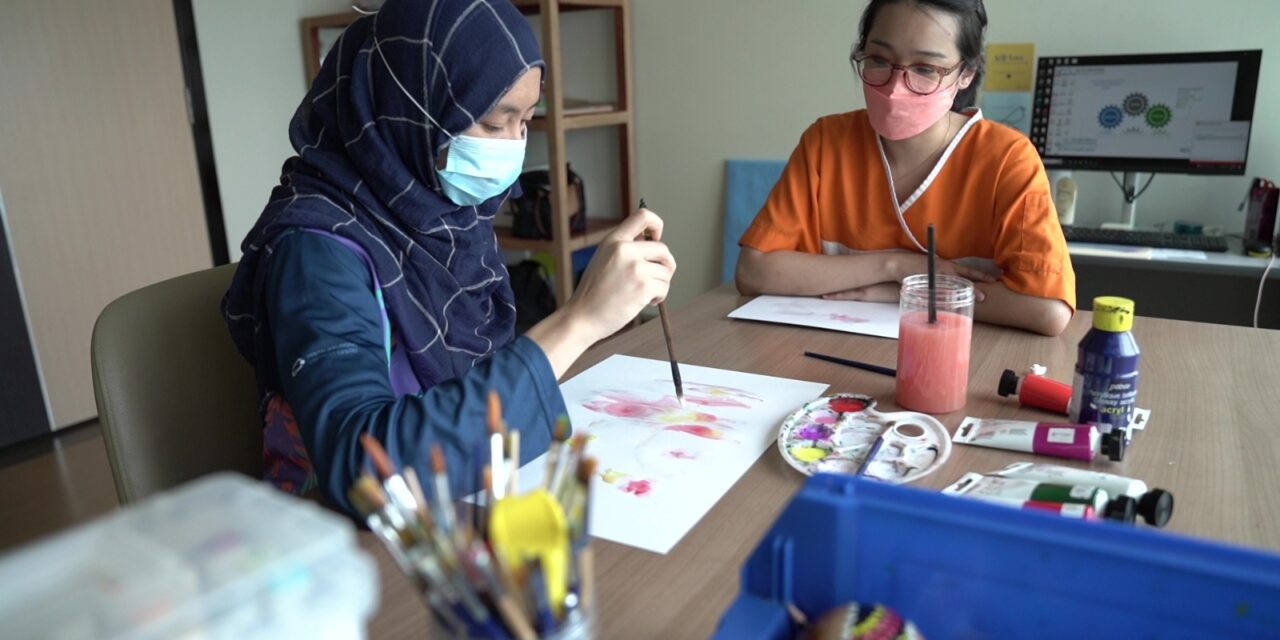
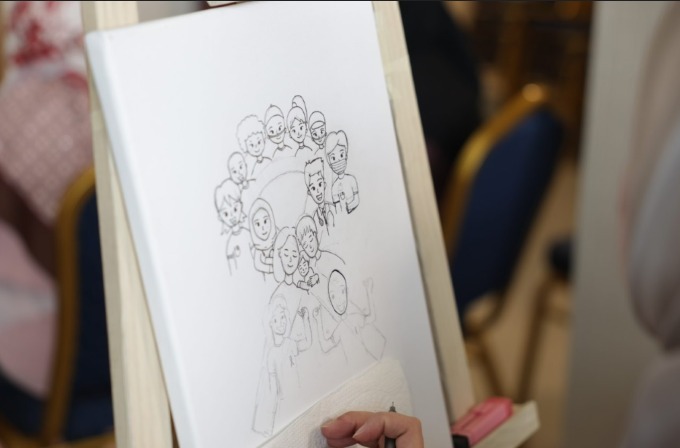
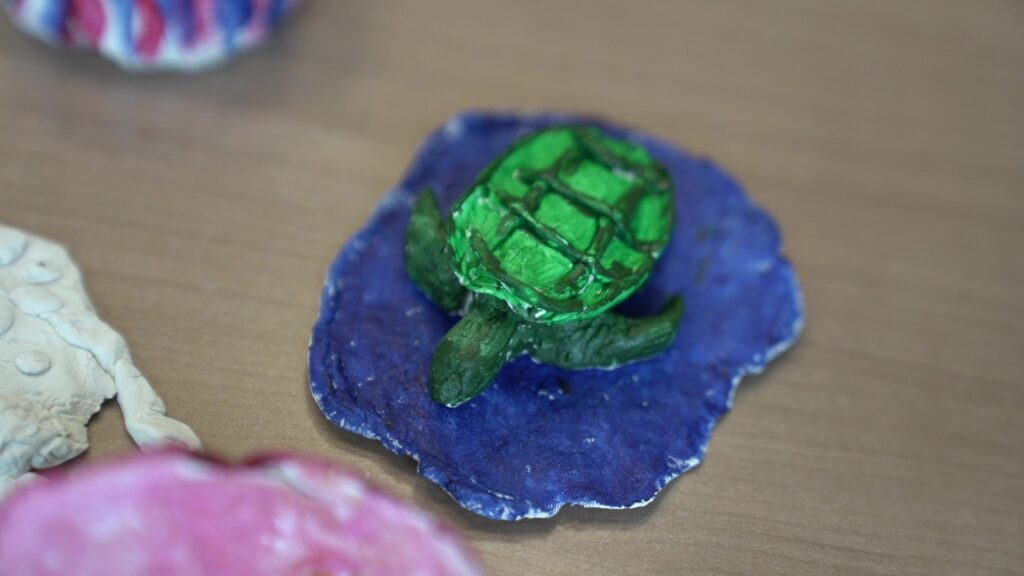
At its core, art therapy uses creative expression to help people explore emotions, thoughts, and mental wellbeing. It can involve painting, drawing, collage-making, photography, clay, or even creative writing. Unlike art classes, however, the goal is not to produce beautiful artwork or demonstrate artistic talent. Instead, the focus is on the process of creating.
According to Nadiah, one of the biggest misconceptions about art therapy is the belief that people need to be “good at art” to benefit from it. Artistic skill is not important at all. Many patients she works with have little interest or experience in art yet still find the sessions meaningful and healing.
Another common misunderstanding is the idea that art therapists “interpret” artwork and tell people what their drawings or paintings mean. Nadiah explains that art therapy is not about assigning meanings. Rather, therapists help individuals explore their own emotions and experiences through the creative process.
What separates art therapy from simply doing art for relaxation is the therapeutic guidance provided by a trained and registered art therapist. Sessions are designed to create a safe environment where complex emotions can be explored carefully and supportively.
Why Art Can Help People Heal
Emotions are not always easy to explain. Anxiety, grief, trauma, or fear can sometimes feel too overwhelming to put into words.
This is where art therapy can make a difference.
“Art does not require words to express feelings,” Nadiah explains. Through movement, colour, shapes, and imagery, people are often able to communicate emotions they struggle to verbalise.
For patients going through rehabilitation or difficult health conditions, emotional struggles are often closely tied to physical recovery. Many experience anxiety, depression, or grief linked to losing independence, changes in identity, or uncertainty about the future. These emotional challenges can affect motivation and participation in rehabilitation itself.
Nadiah emphasises that emotional recovery and physical recovery go hand-in-hand. Supporting emotional wellbeing can strengthen a person’s ability to engage in physical healing and recovery.
Art therapy also provides a calming and grounding experience. The creative process can help reduce stress, anxiety, and fear by bringing attention back to the present moment. For many patients, it creates a safe, relaxing, and non-judgemental space where they can express themselves more freely.
What Happens During an Art Therapy Session?
There is no single “standard” art therapy session because every individual’s needs and abilities are different.
Some patients may respond well to painting, while others prefer writing or collage-making. Sessions are adapted according to each person’s interests, emotional needs, and physical abilities. For patients with physical limitations, materials and activities can also be adjusted to make the process more accessible. Importantly, the focus is never on creating a perfect final product.
“The process of creating” is what matters most, Nadiah says. This focus on process rather than performance often helps patients feel less pressure and more comfortable expressing difficult emotions.
A Recovery Journey Through Art
Among the many patients Nadiah has worked with, one story remains especially memorable. The patient initially struggled with severe physical limitations, including difficulty walking, weakness in the upper limbs, and a loss of independence. She was also demotivated and unwilling to participate in other rehabilitation sessions. Yet artmaking became one activity she consistently responded to.
Through regular painting sessions, she gradually explored feelings of anxiety and depression while also improving her upper limb function through the physical act of creating art. Over time, she learned to regulate her emotions, rebuild confidence, and engage more actively in rehabilitation.
After nearly two years, she was discharged fully independent and able to drive again. Stories like this highlight how recovery is rarely just physical. Healing often involves rebuilding confidence, motivation, identity, and hope, all areas that art therapy can help support alongside medical treatment and rehabilitation.
Why Awareness Matters in Brunei
As conversations around mental health continue to grow in Brunei, holistic approaches such as art therapy are becoming increasingly relevant. Nur Nadiah believes more people are becoming open to alternative forms of emotional support because they may feel less intimidating or stigmatised than traditional perceptions of therapy.
Art therapy can support children, adults, patients recovering from illness, caregivers under stress, and individuals experiencing trauma, grief, chronic pain, anxiety, or major life changes. It also plays an important role within rehabilitation settings by helping healthcare teams better understand the emotional challenges patients may be facing.
Greater awareness of art therapy in Brunei could encourage wider conversations about emotional wellbeing and the importance of seeking support when needed.
Opening the Door to Healing
For those who feel hesitant about trying art therapy, Nadiah encourages people to simply give it a chance. “Just try it. You have nothing to lose in trying but may have much to gain,” she says. Her words reflect the heart of art therapy: not artistic talent or perfection, but openness to healing, expression, and connection.
As Brunei continues to strengthen awareness around mental health and holistic care, art therapy serves as a reminder that healing can take many forms. Sometimes, when emotions are too difficult to say aloud, creativity can help people finally express what they feel inside.